

Improve Conversion Rates and Lower Cost Per Client with Website Conversion Optimization
Stop guessing what works. Leverage our data-driven CRO methodology to maximize the ROI of your existing traffic and turn visitors into reliable customers.

Builds Completed






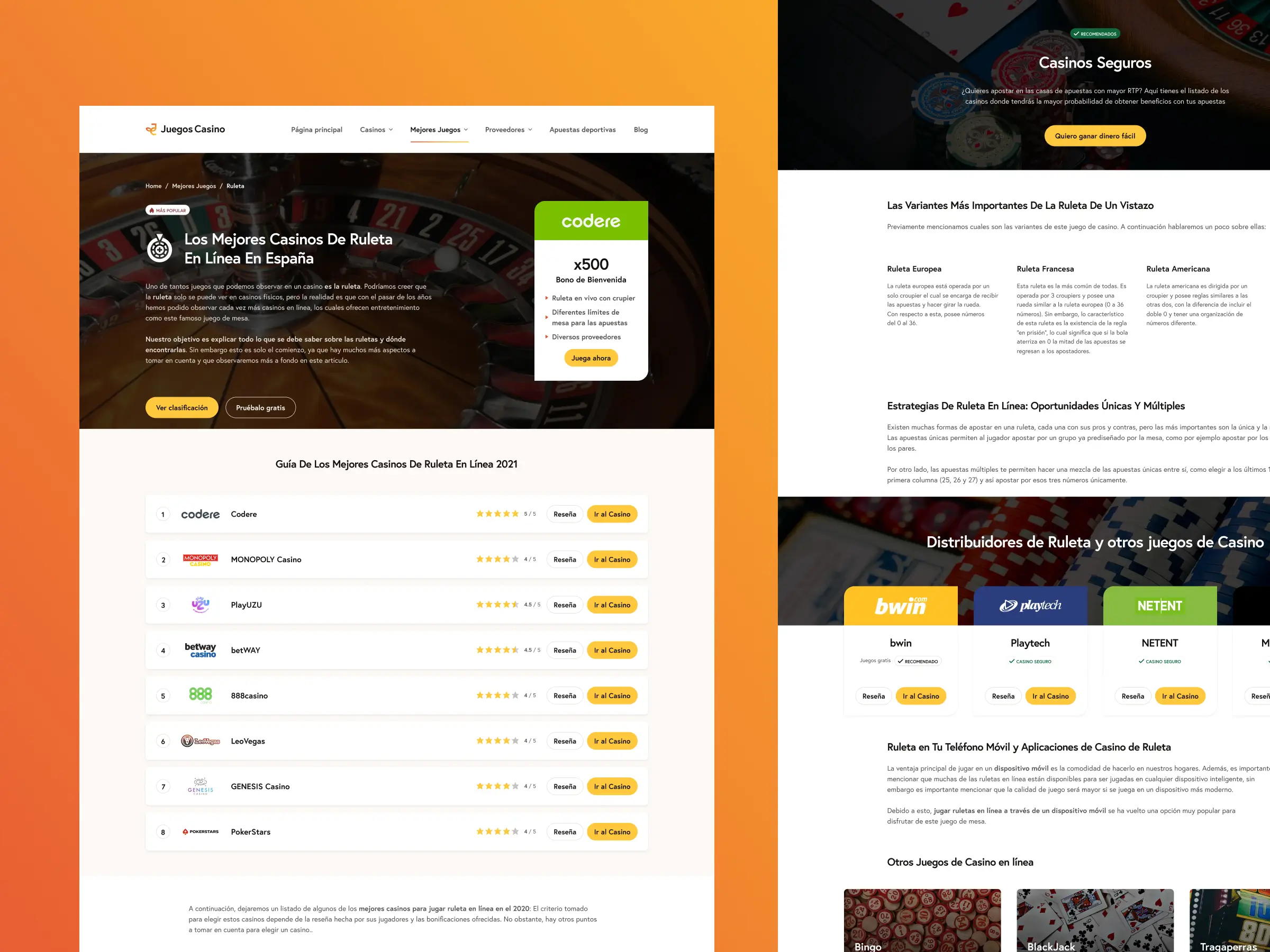
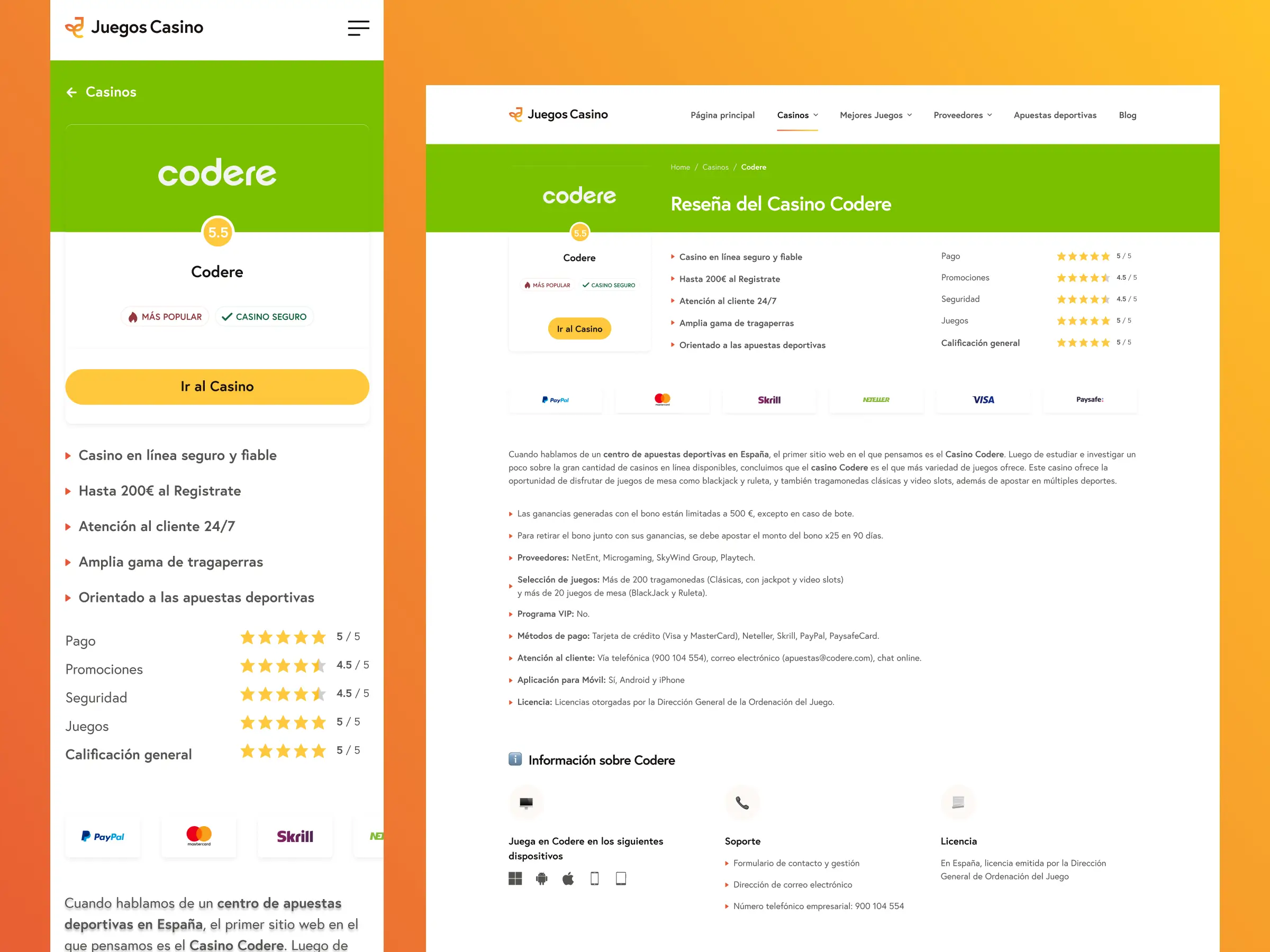
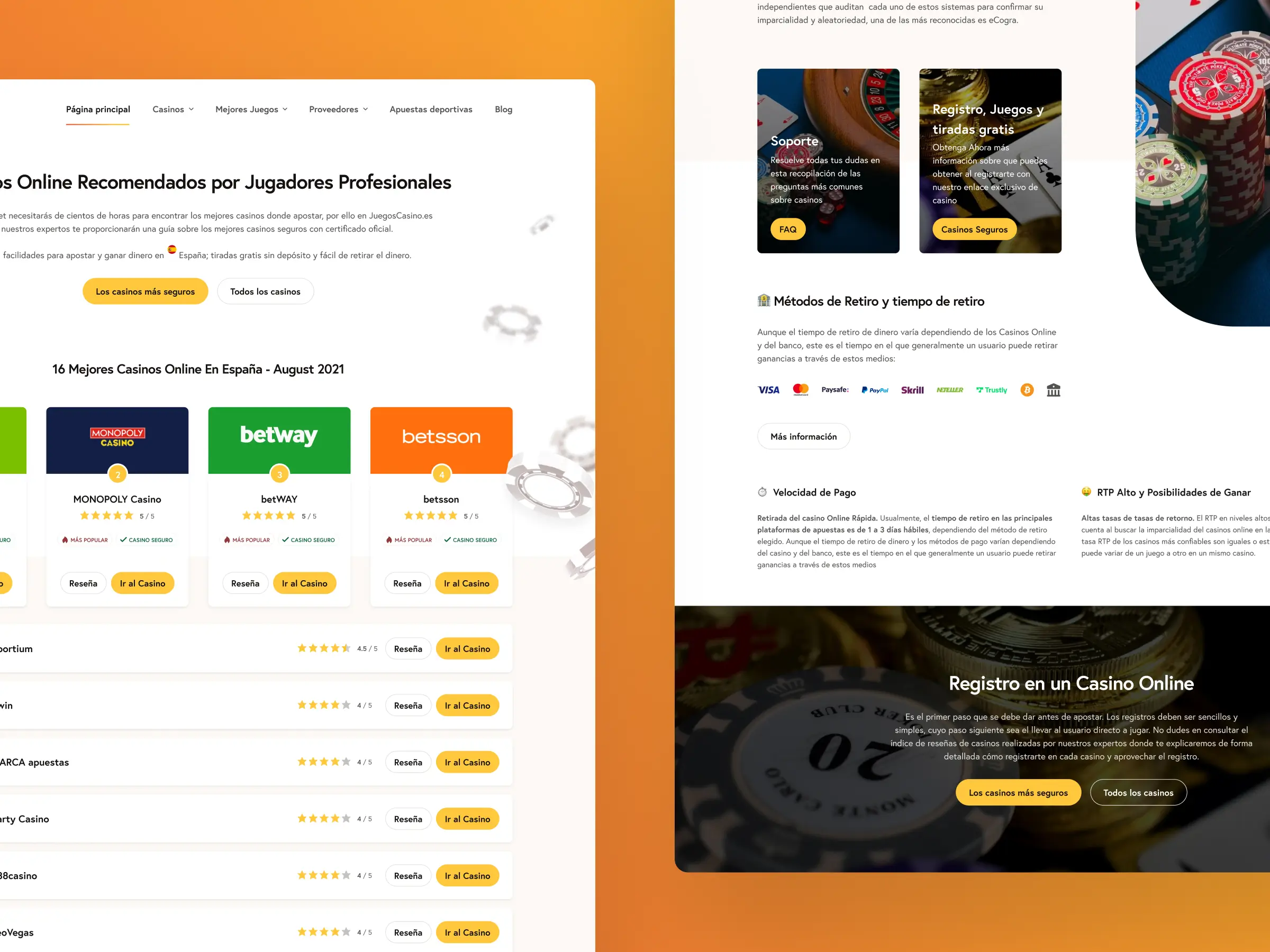
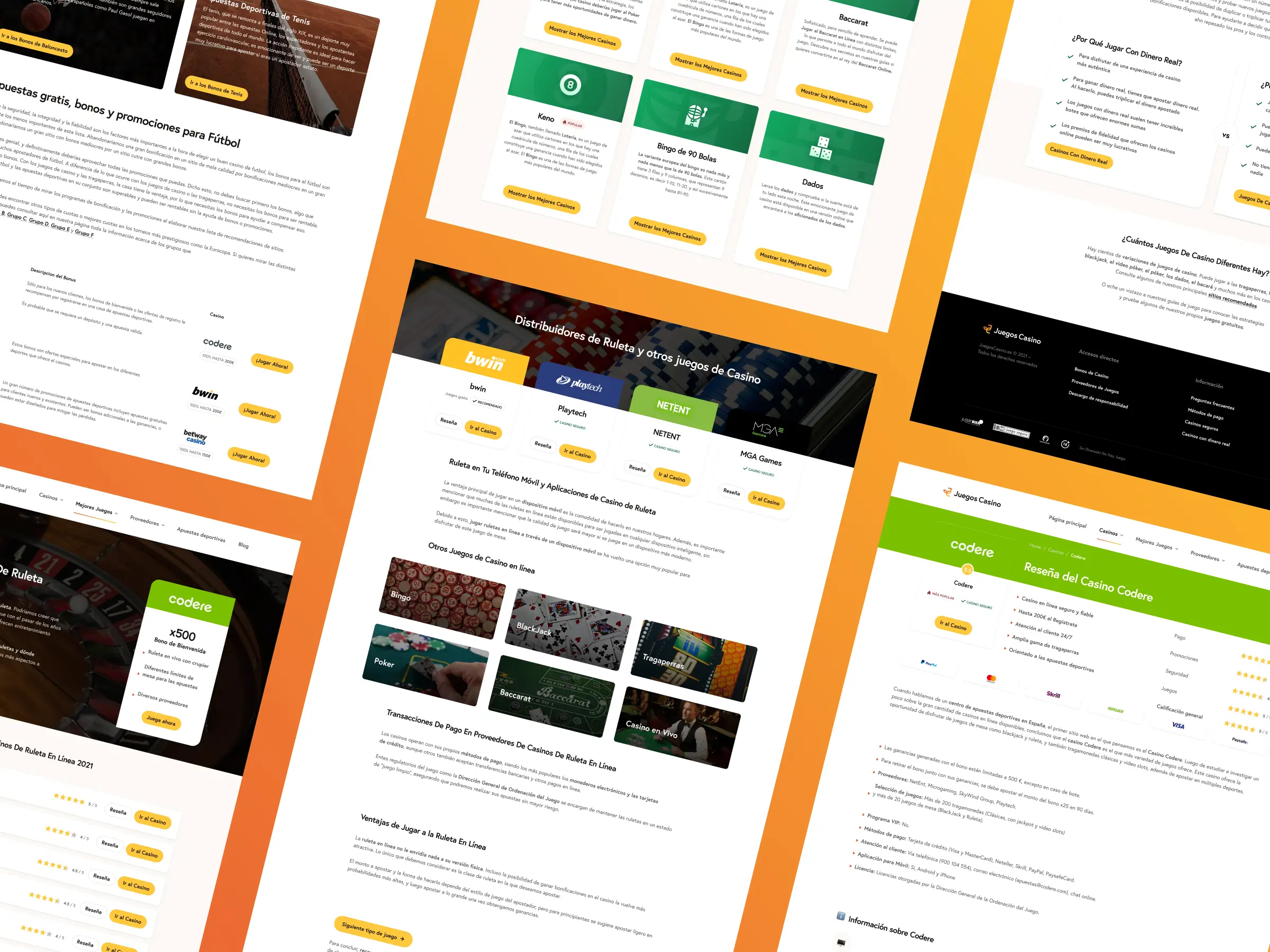
Our Success Stories
From designs of small websites to consulting & project management of large corporate projects, affiliate platofrms & blogs.
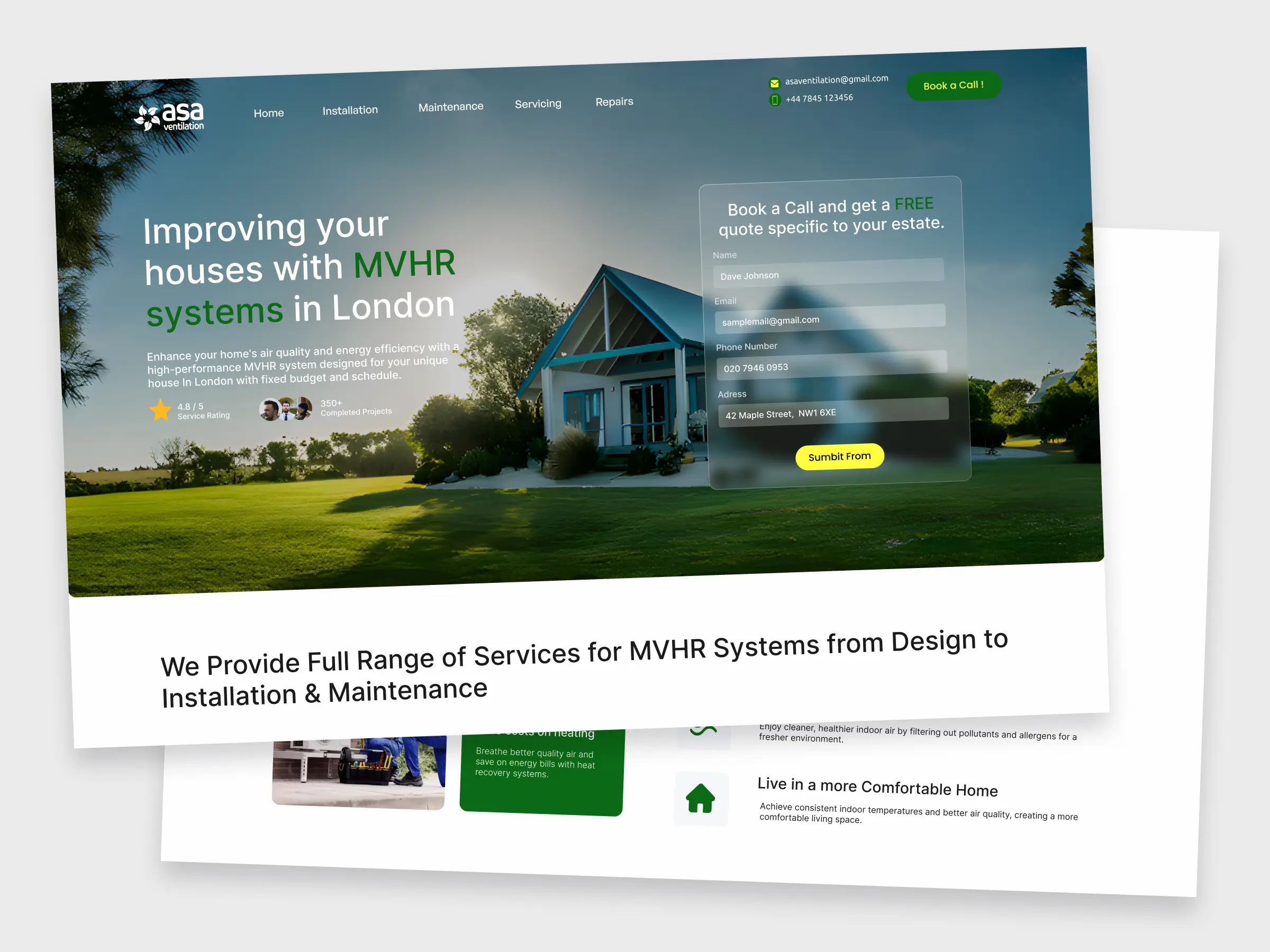
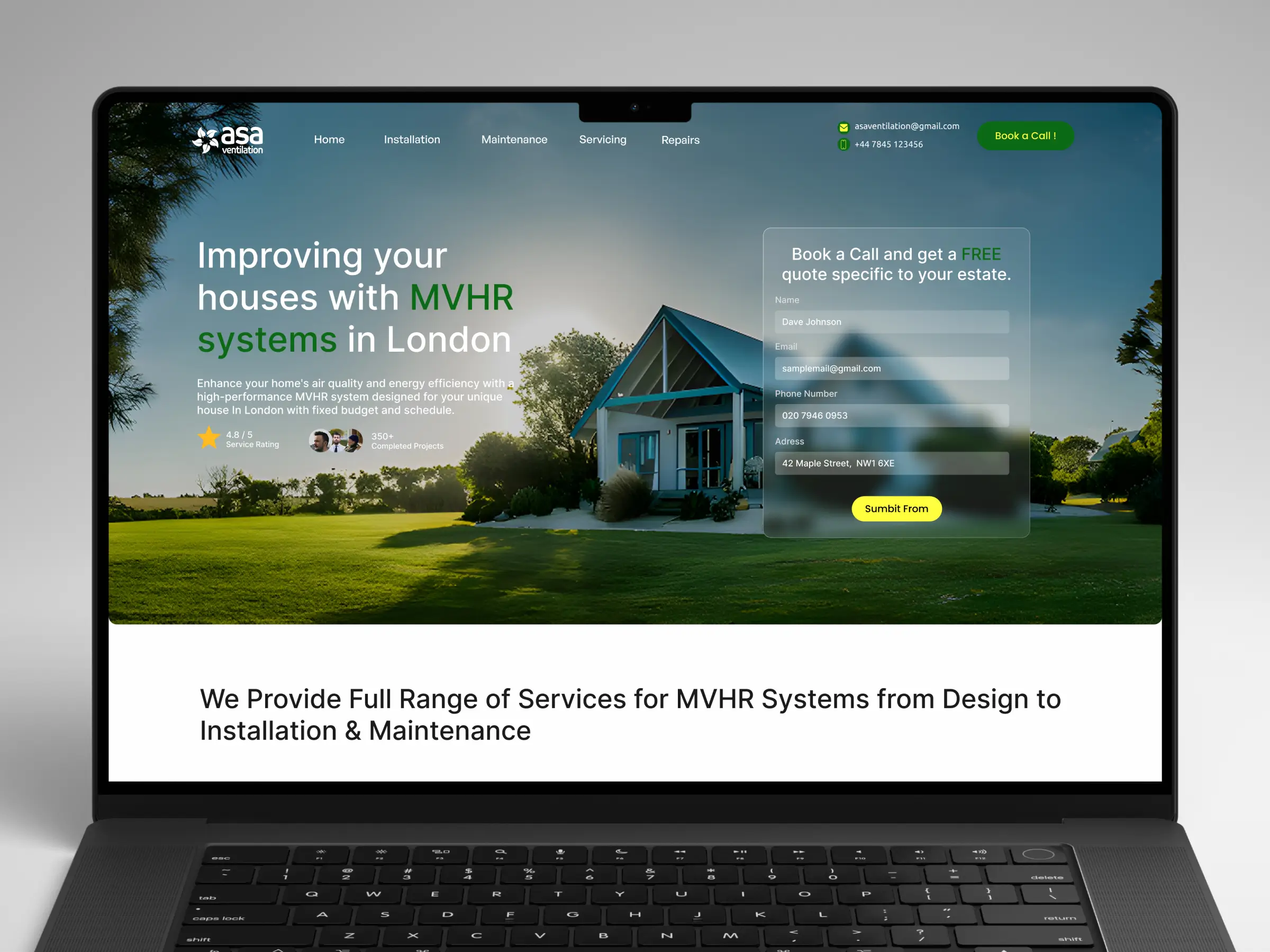
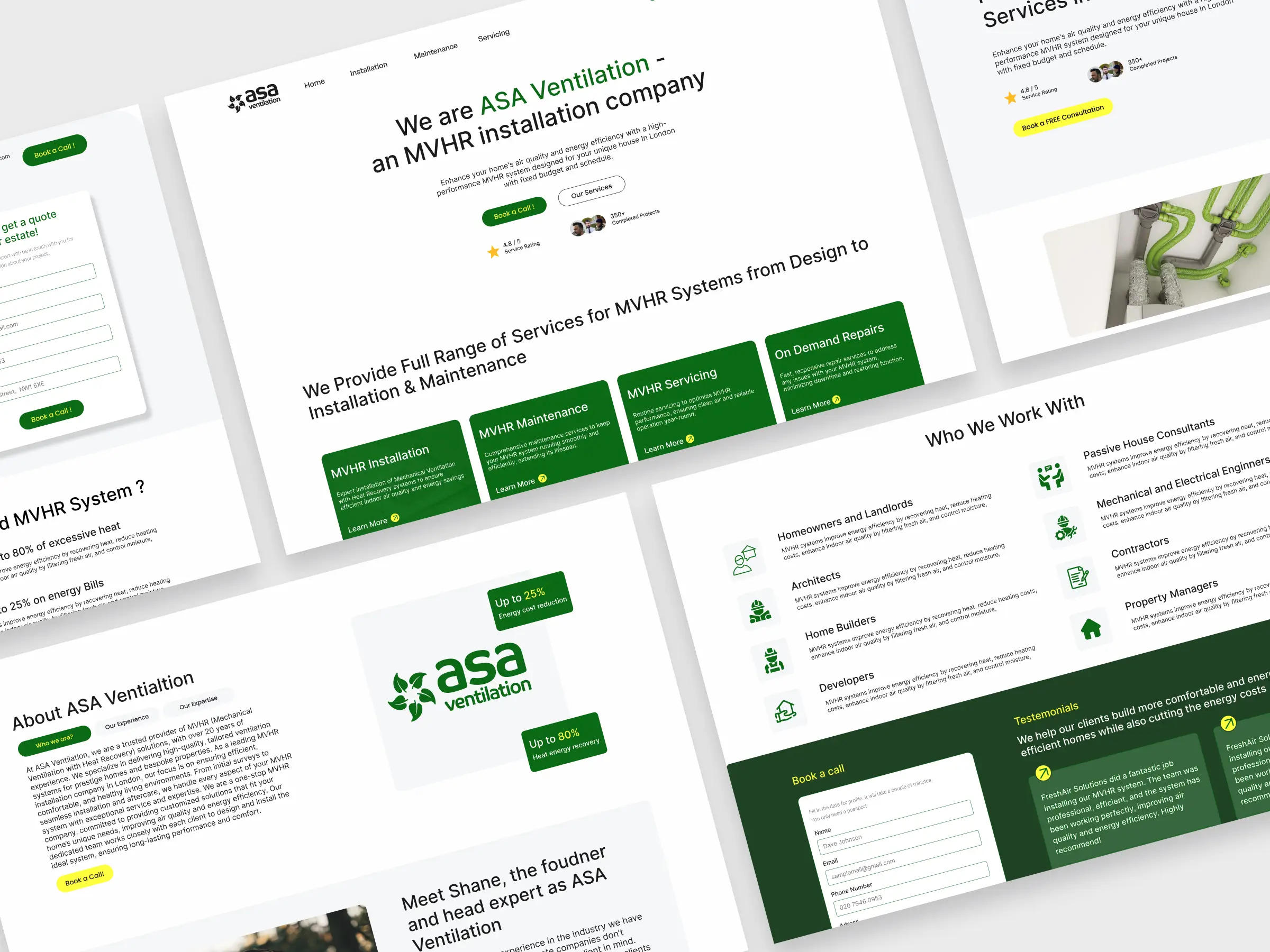
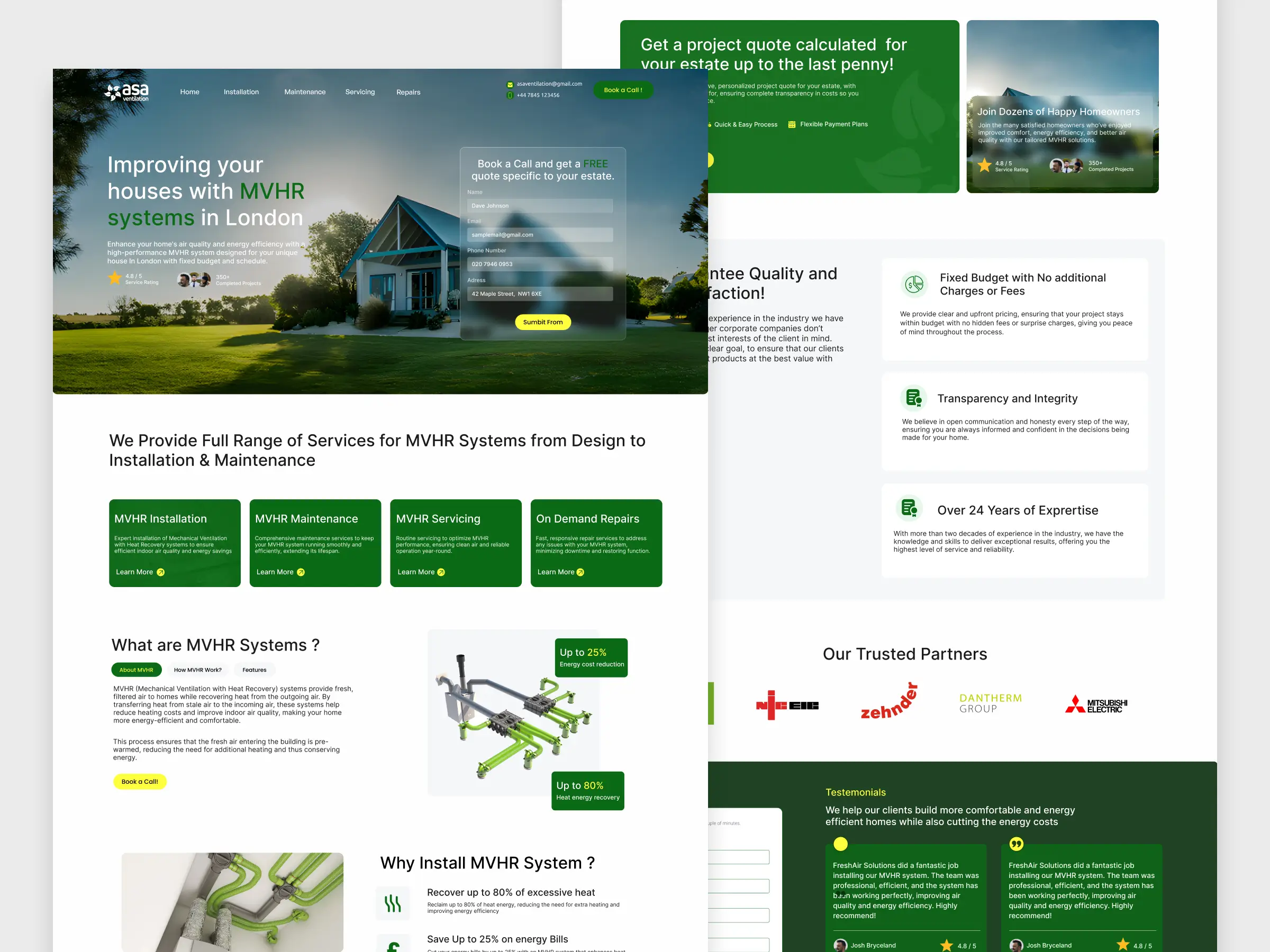
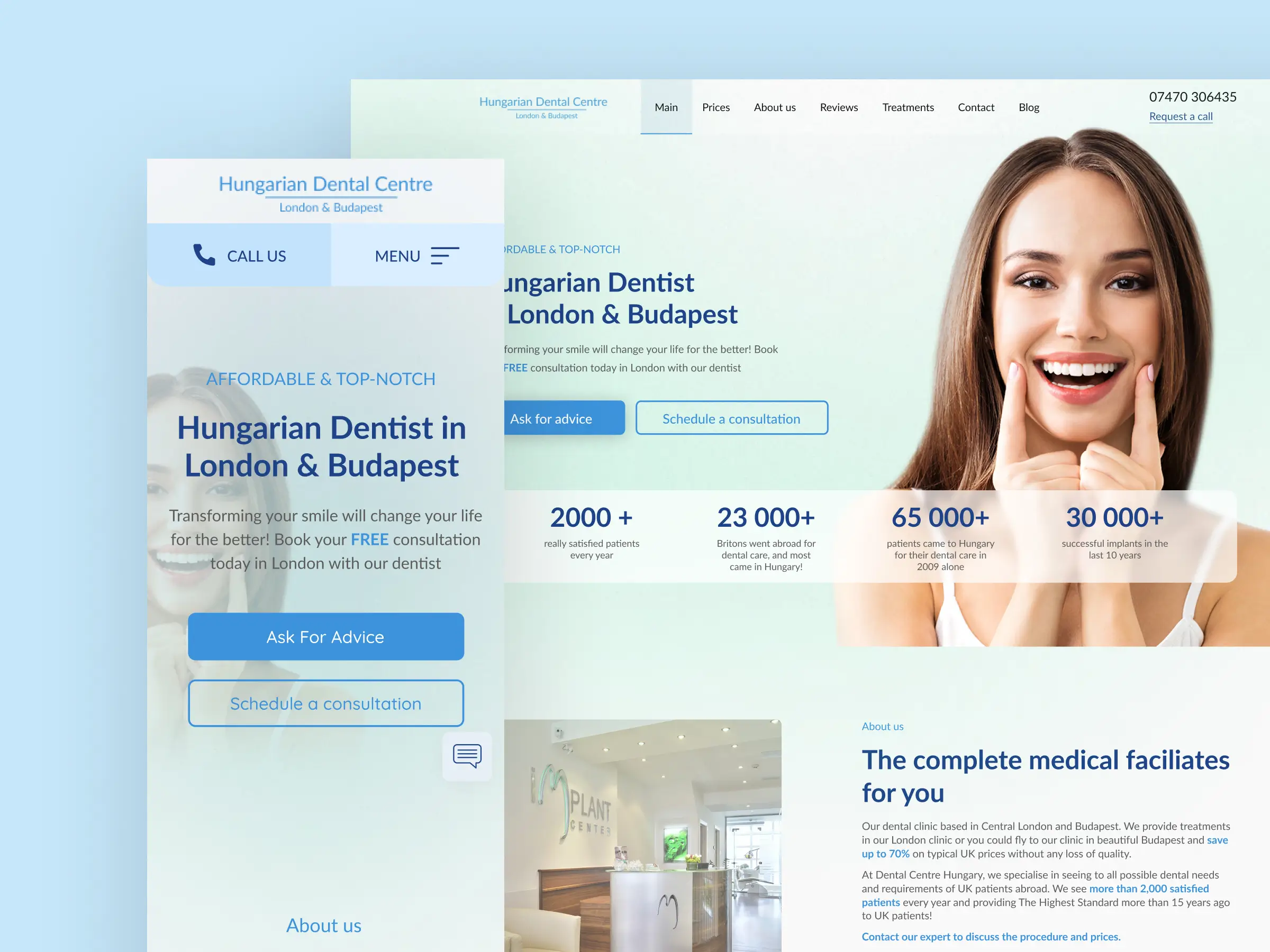
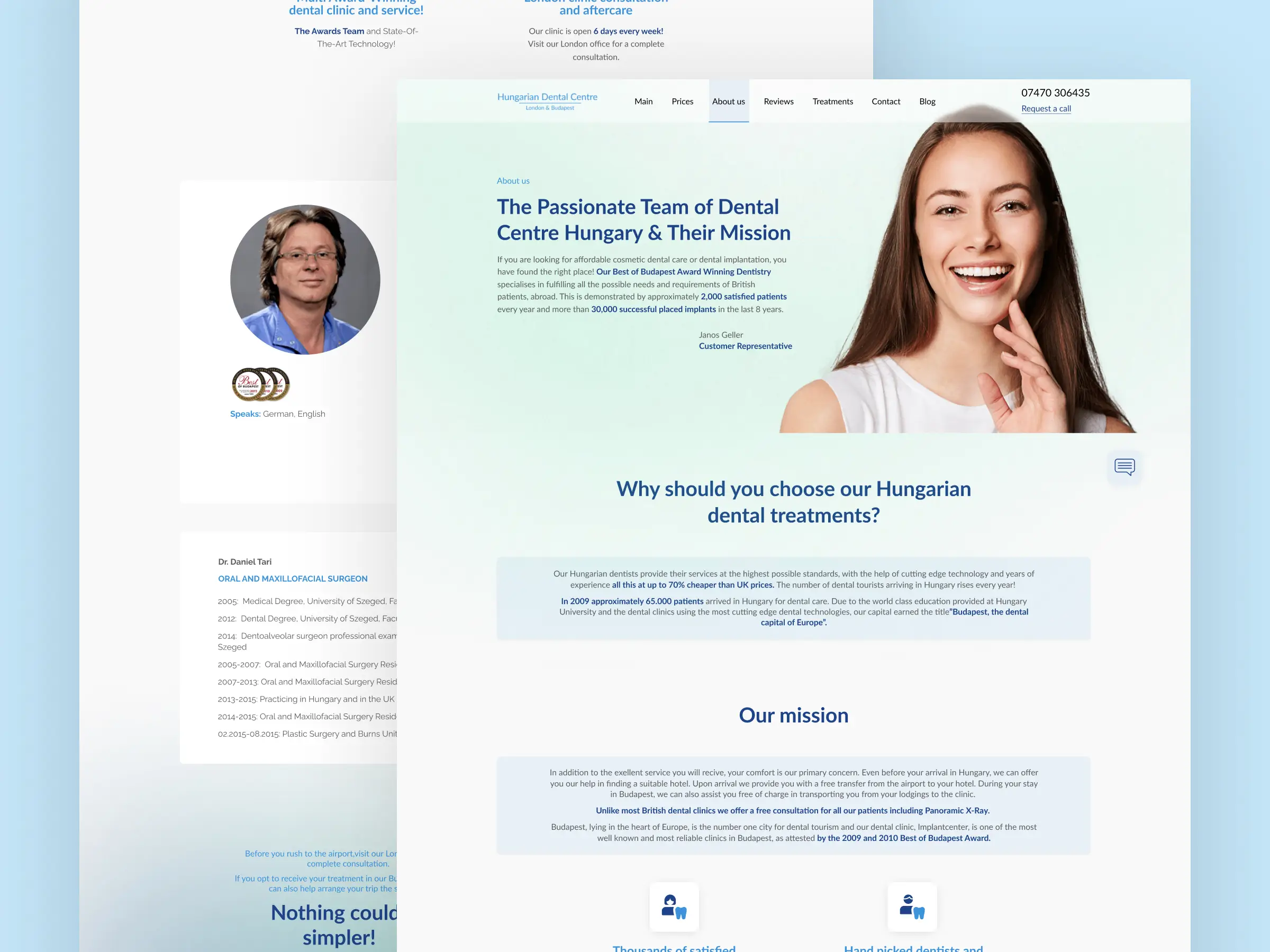
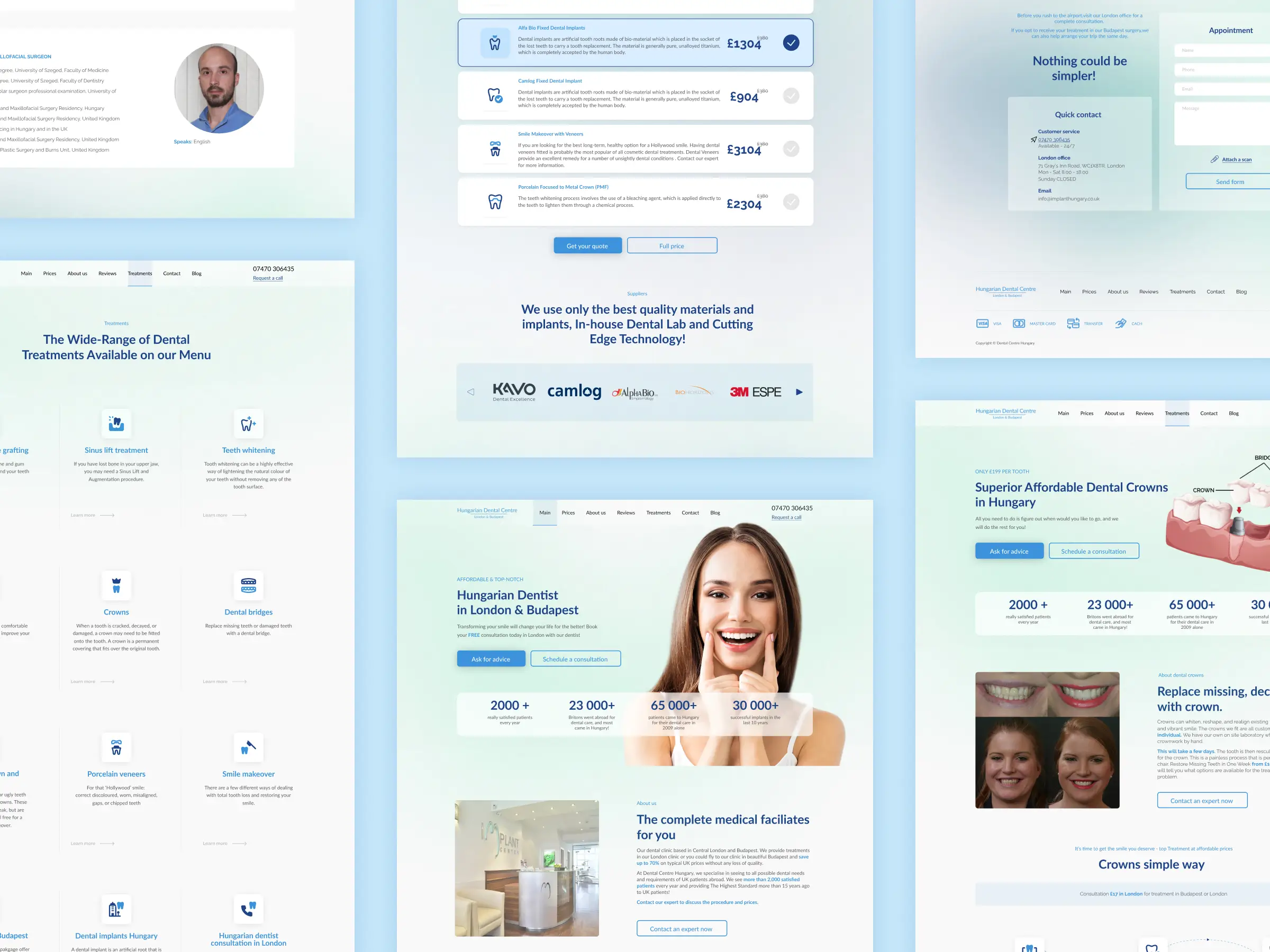
A conversion-optimized website redesign for a MVHR installation & servicing company in London
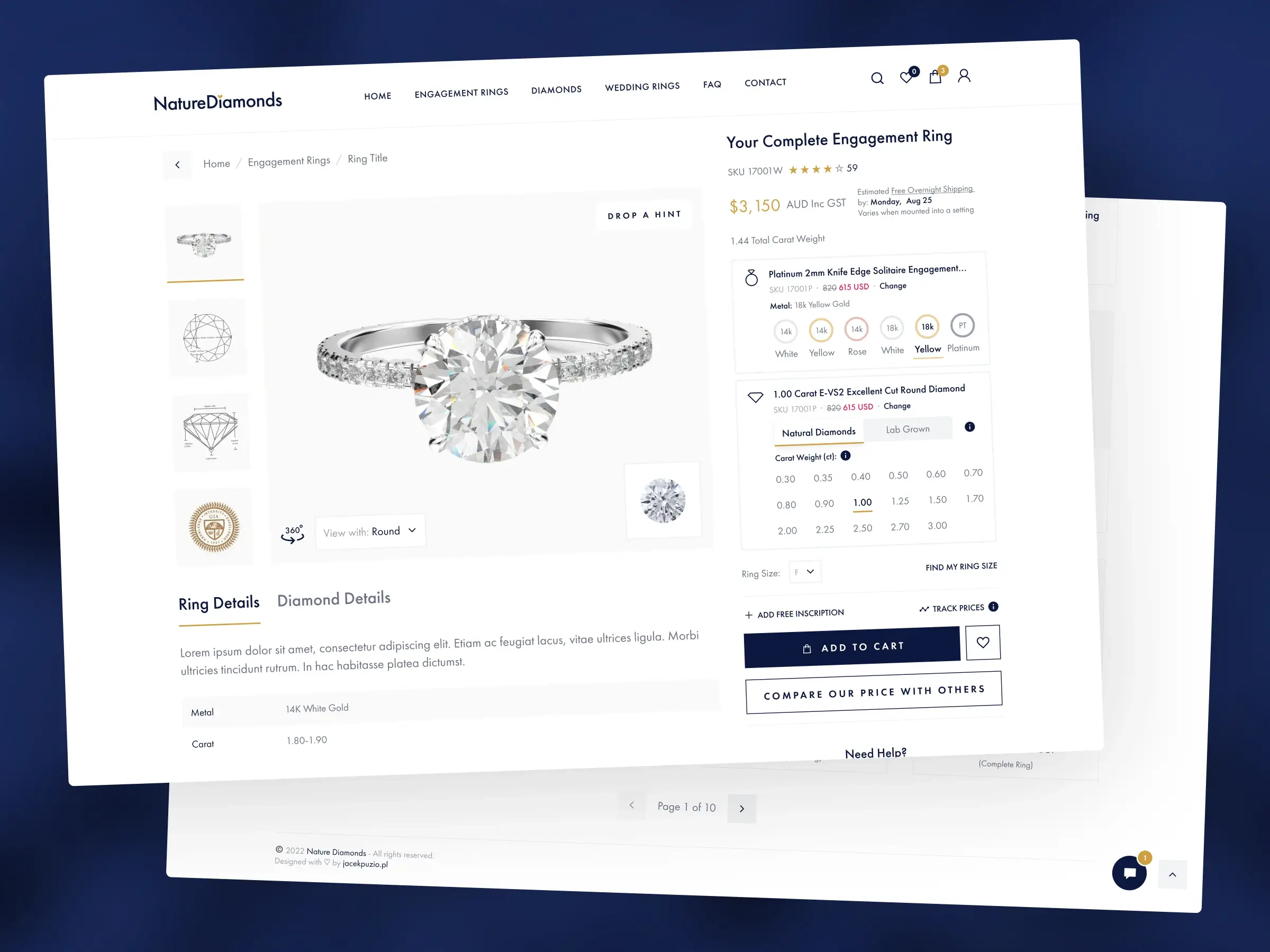
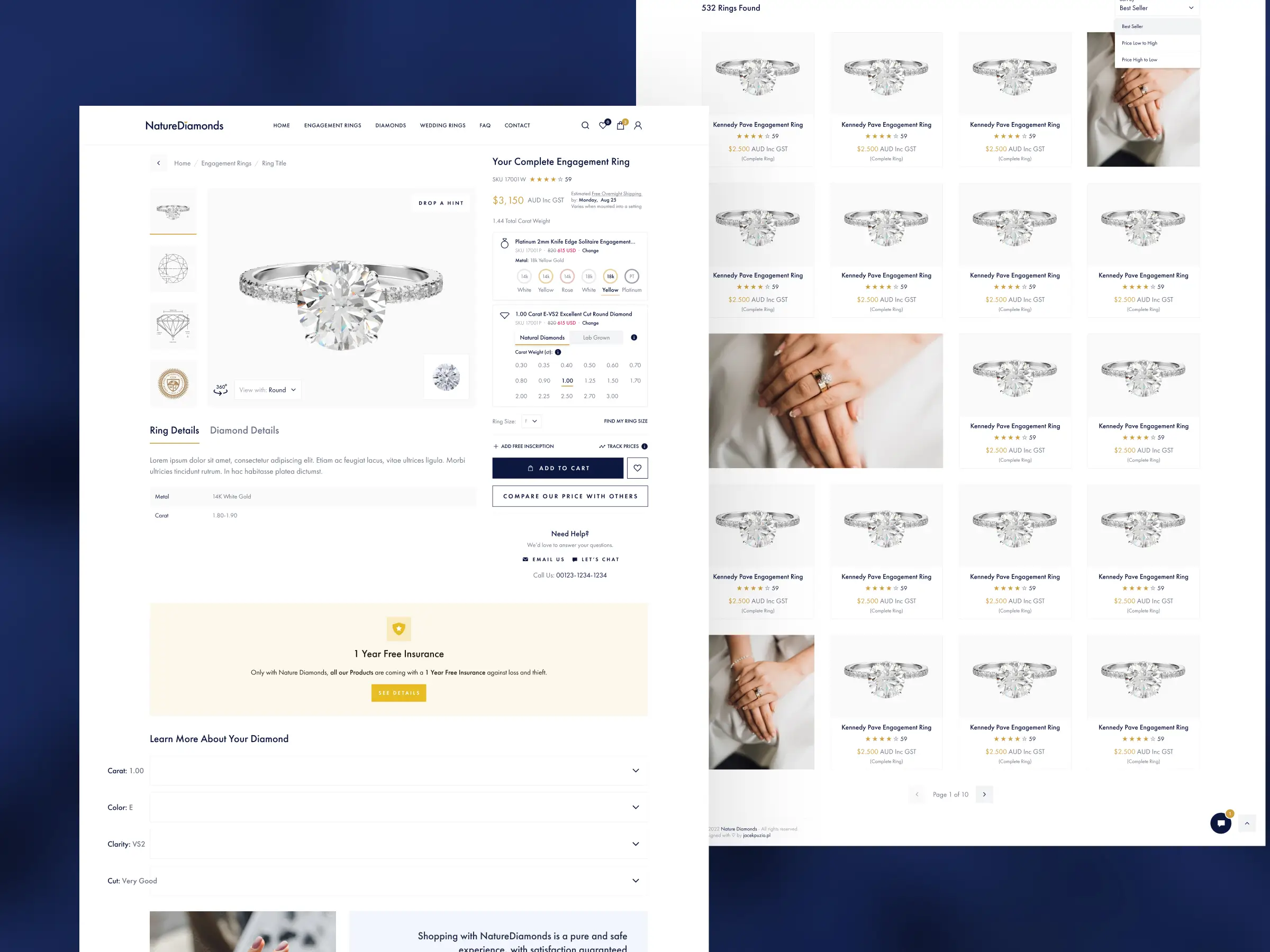
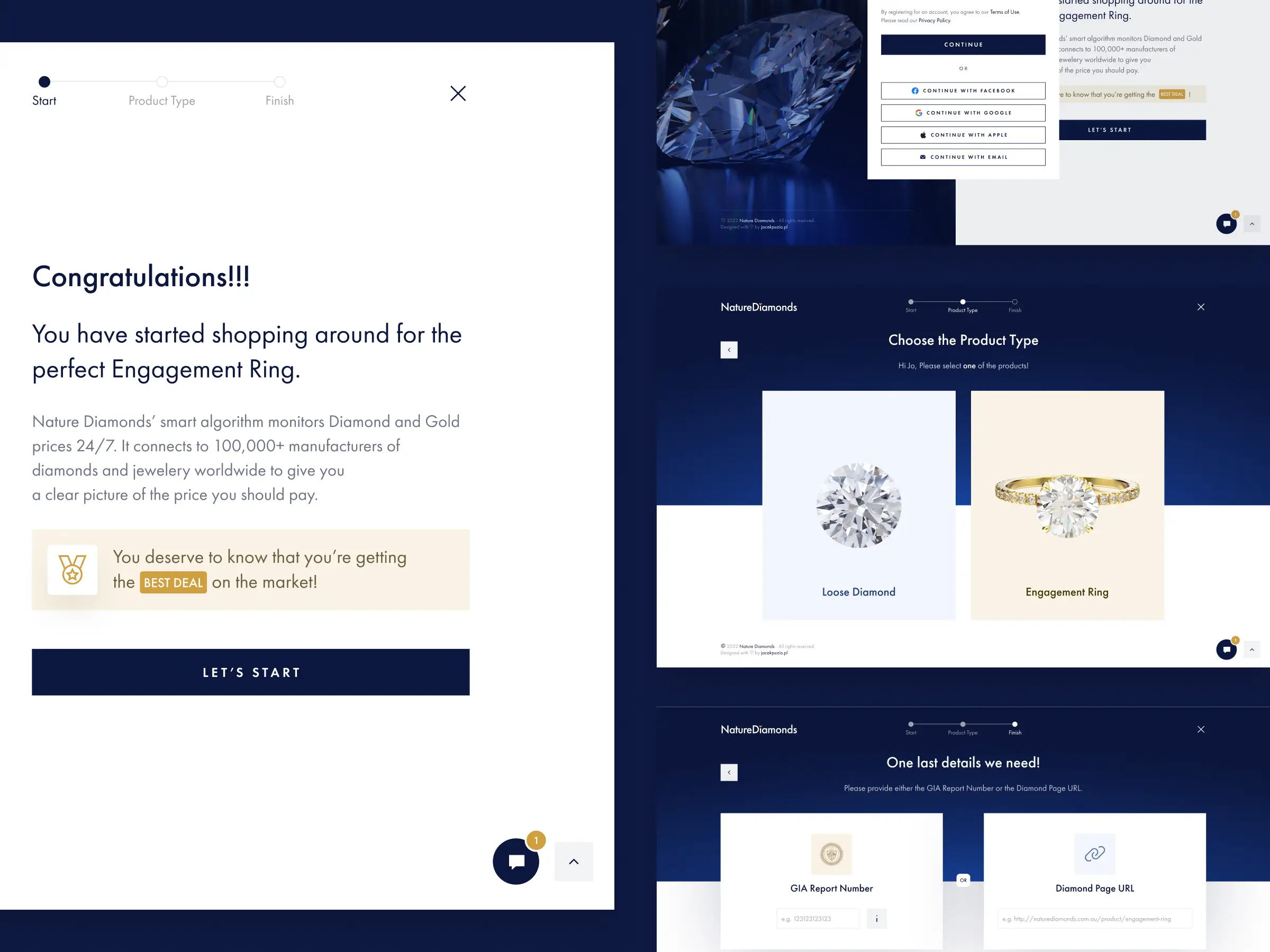
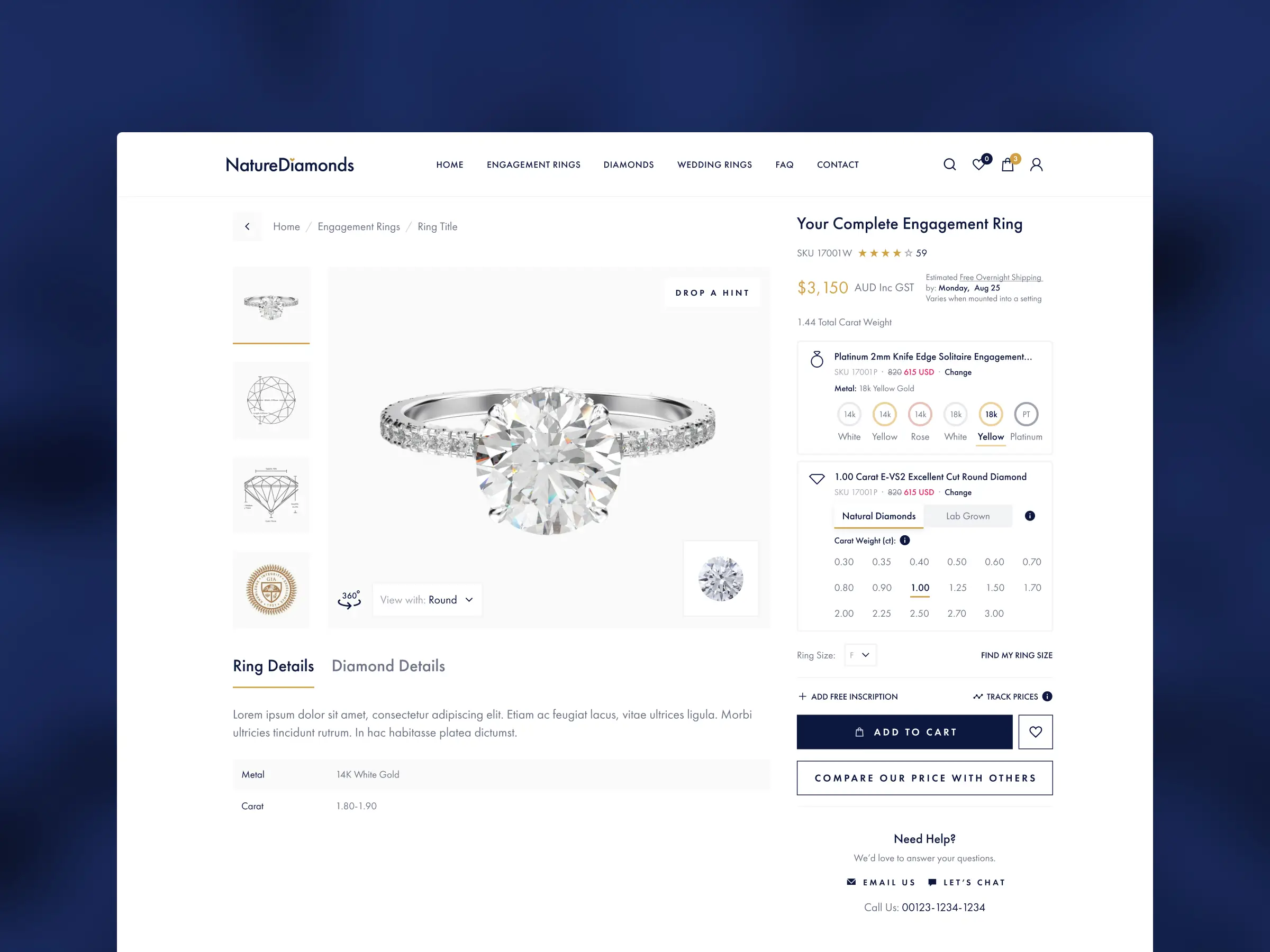
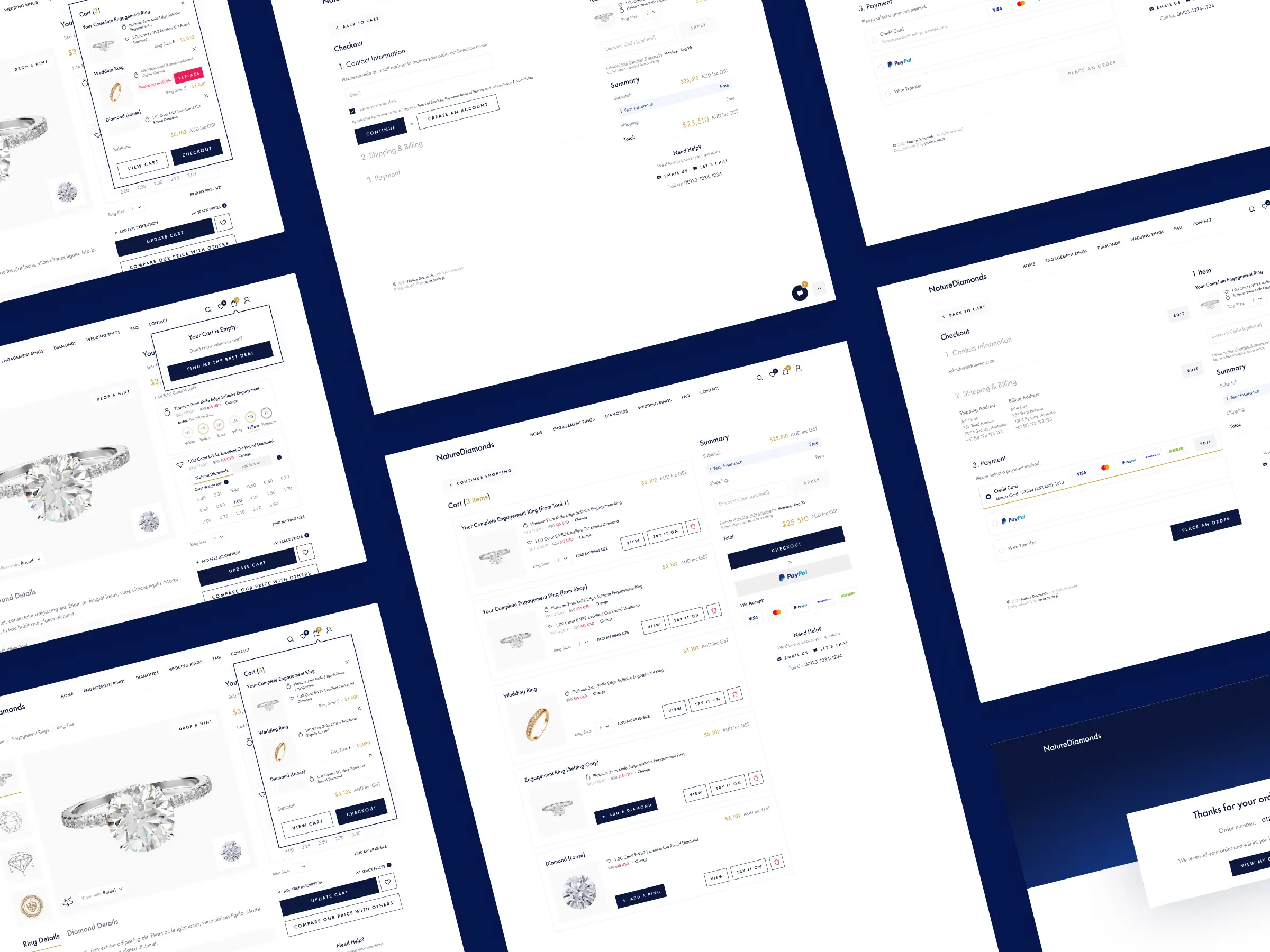
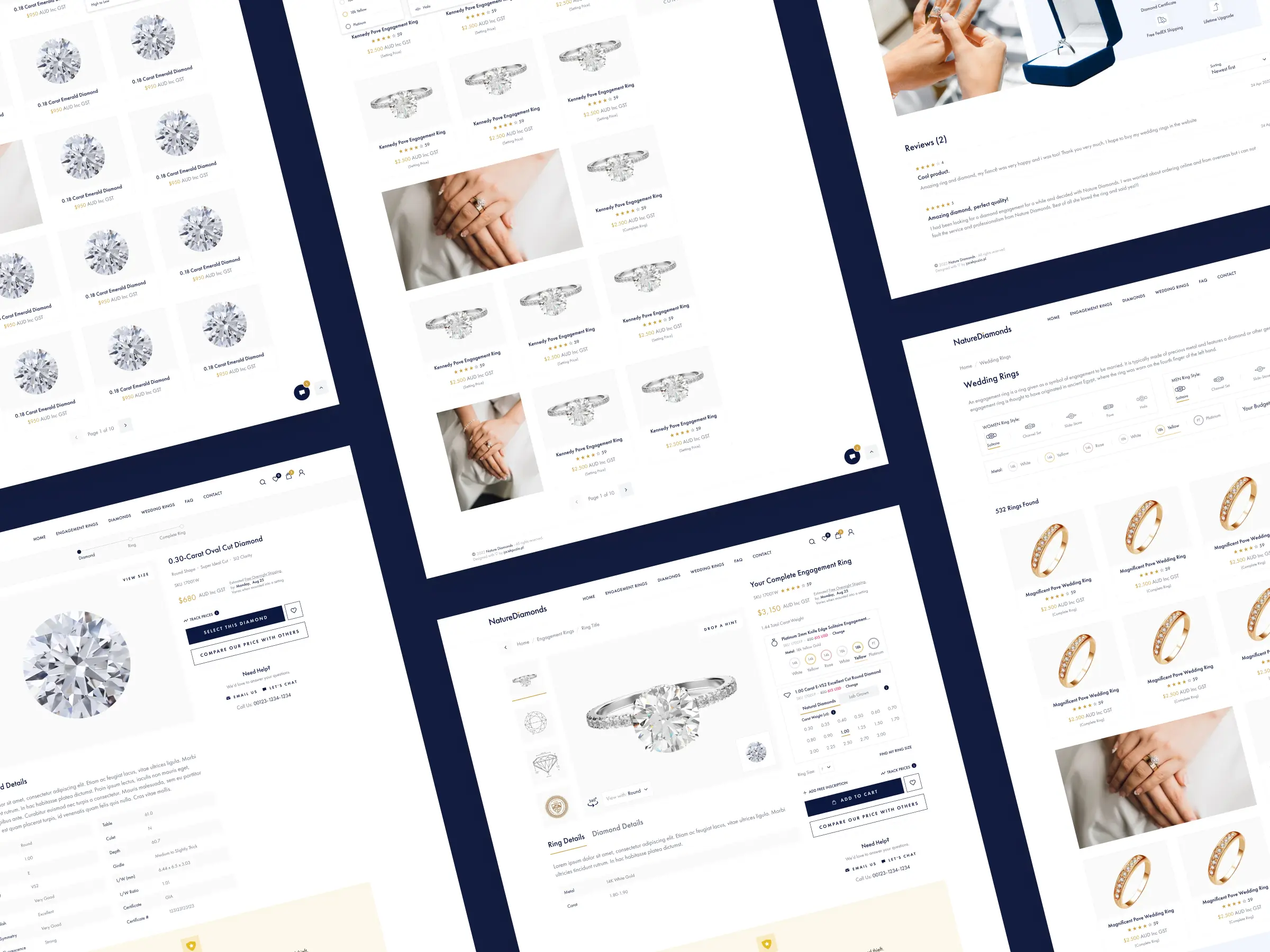
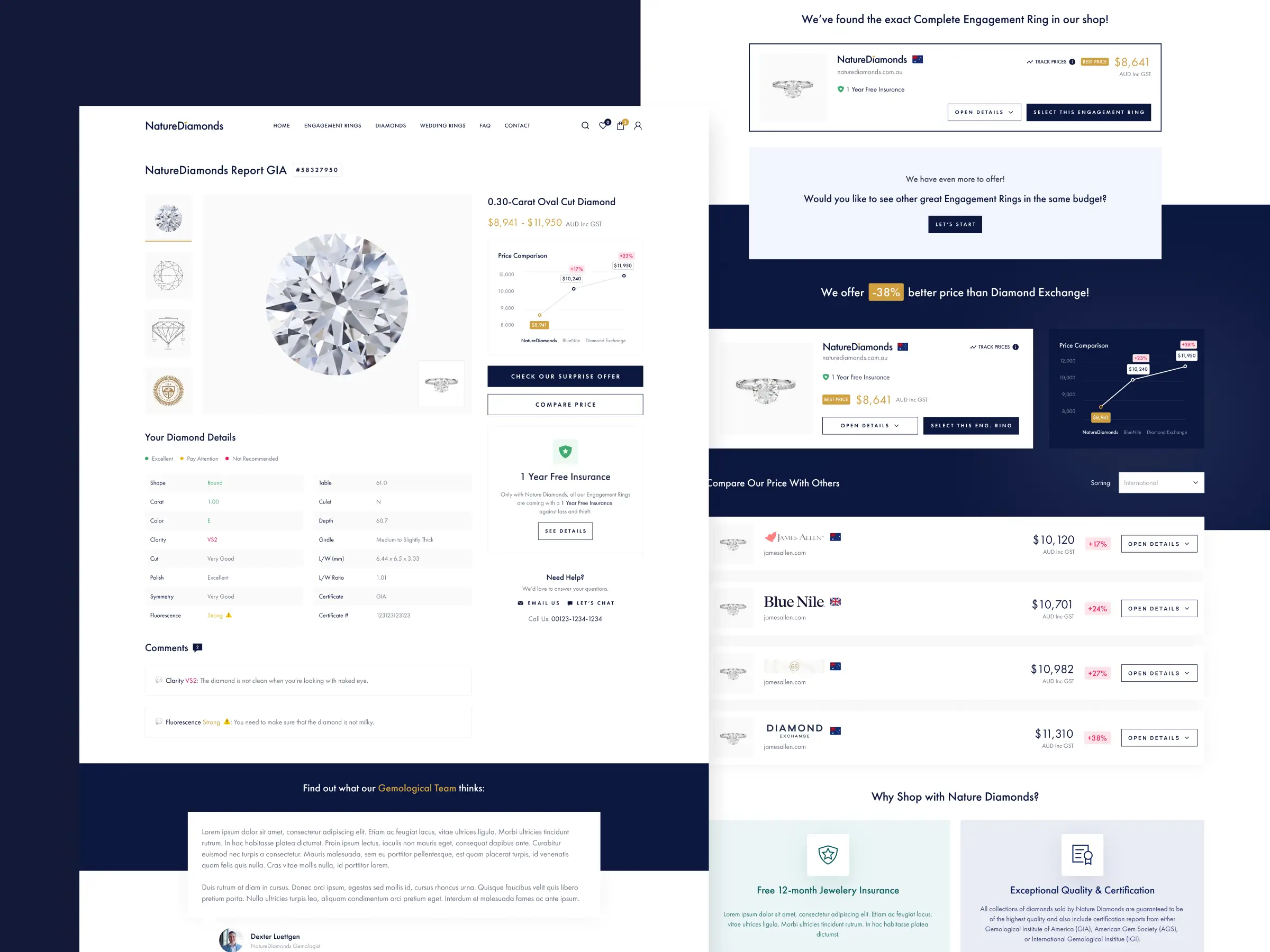
Jewelry e-commerce platform engineered for radical market transparency, featuring advanced GIA report validation and proprietary price comparison tools.
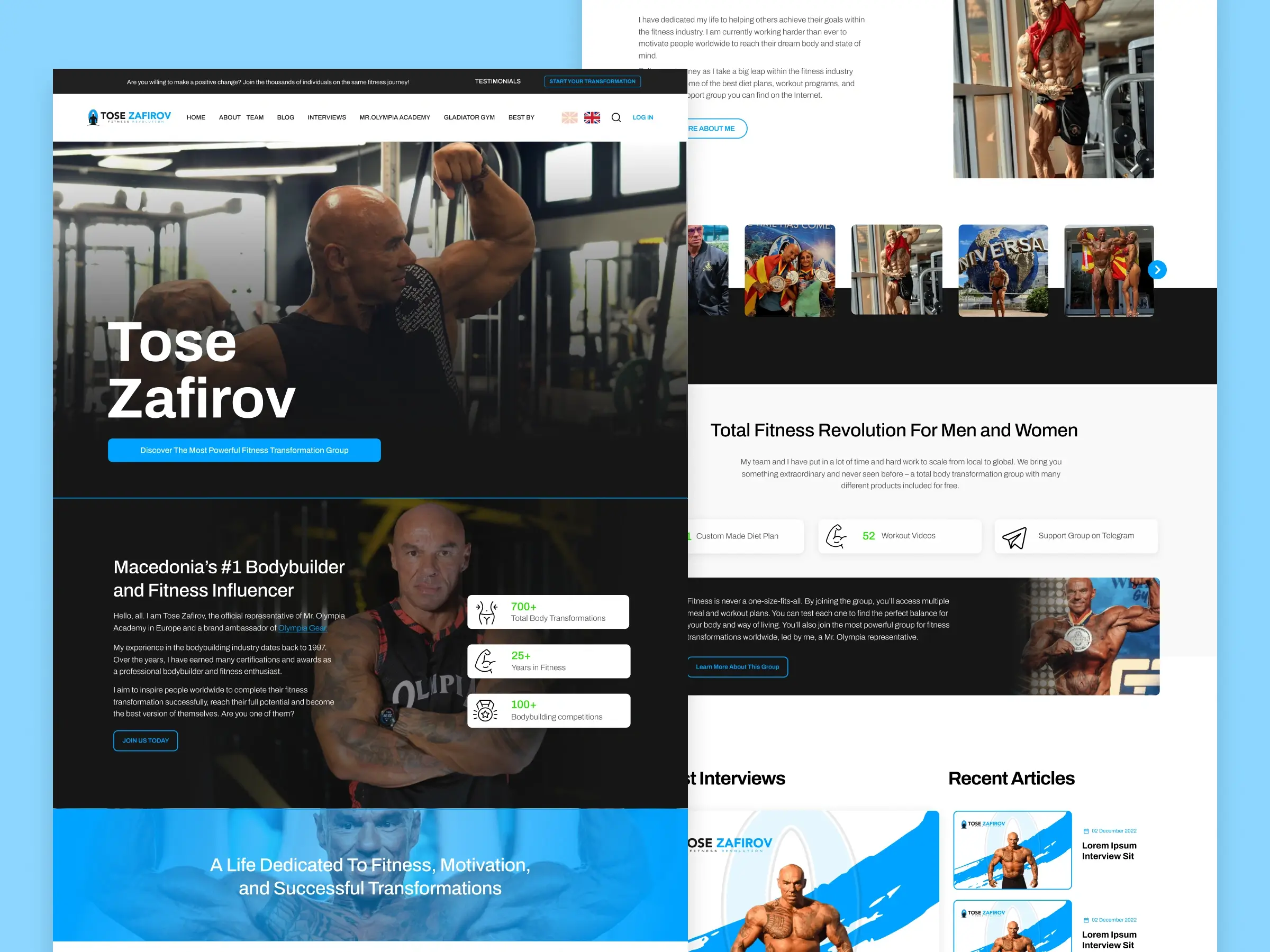
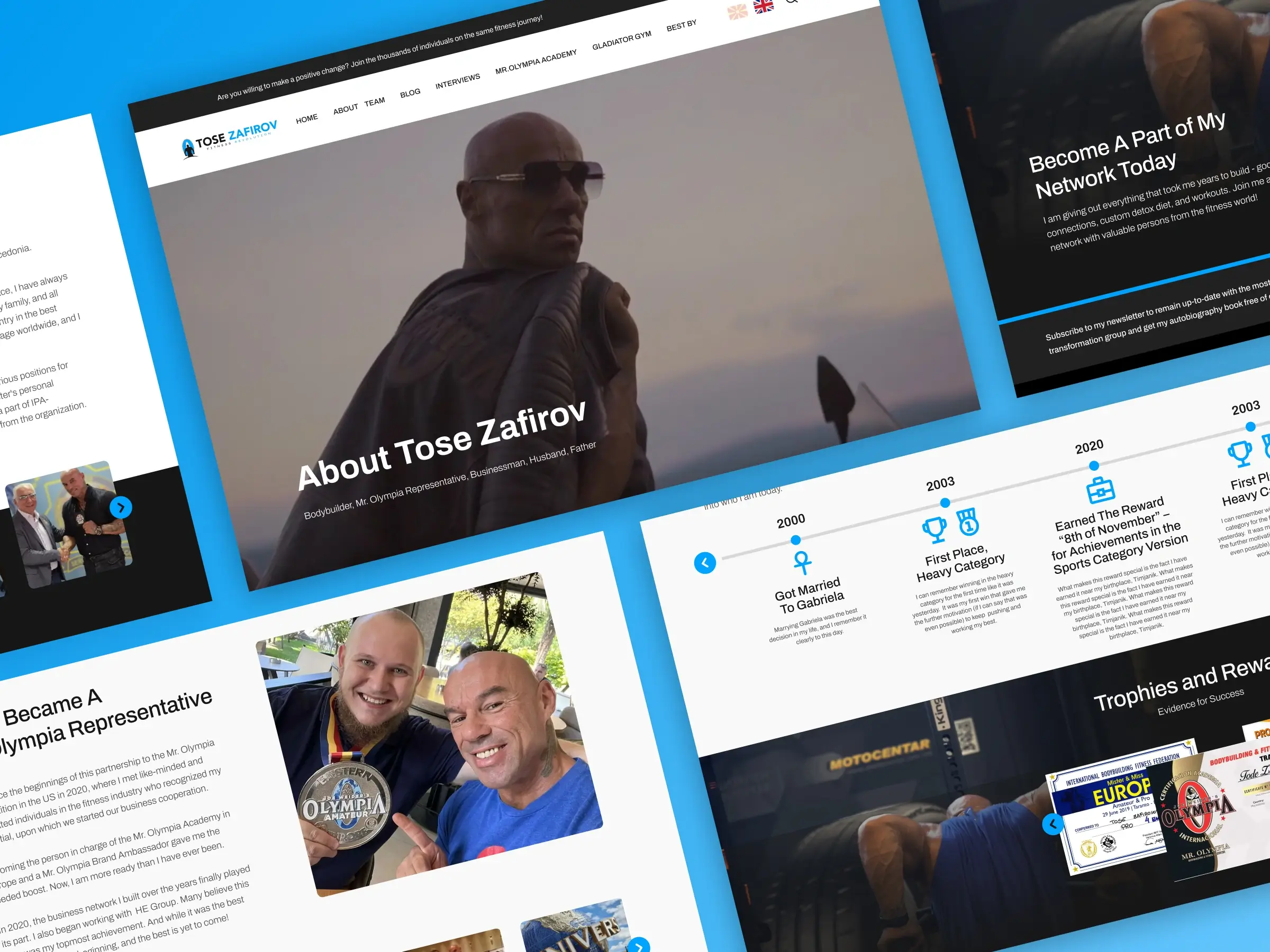
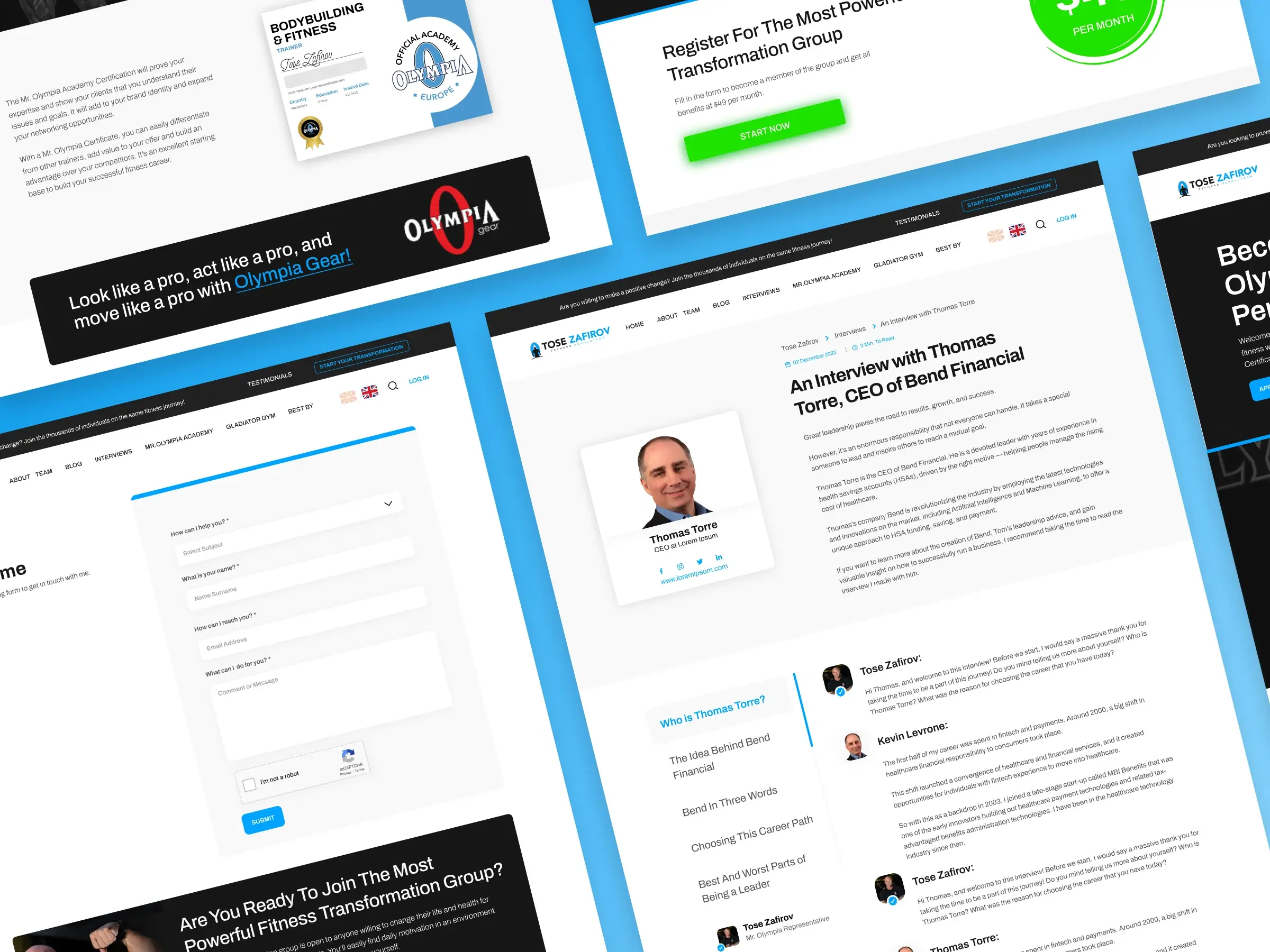
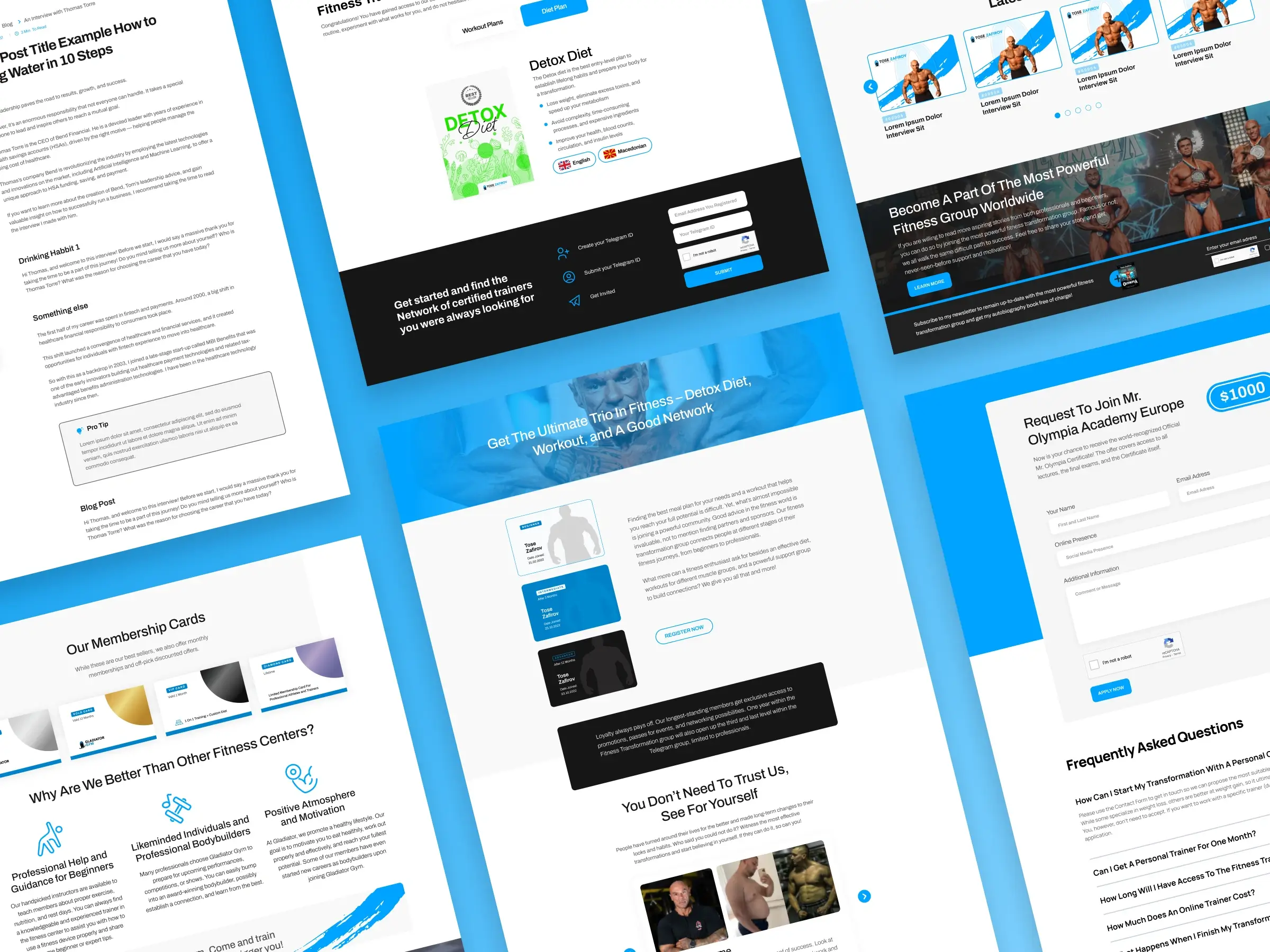
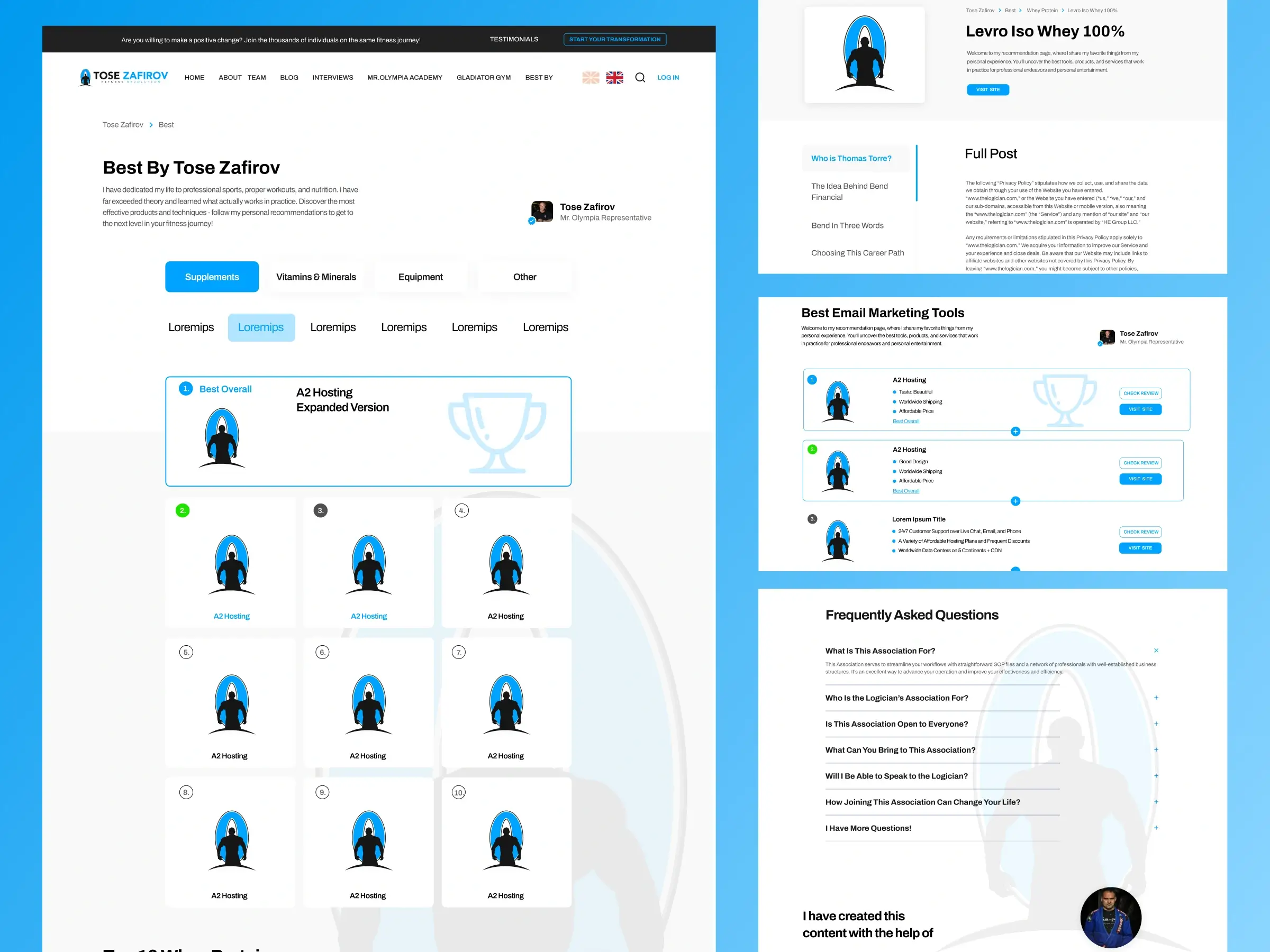
A personal brand website for a affiliate marketing, blogging and memebership management.
Check What Our Clients Say
"Milan and the rest of the guys were very easy to work with. The team is experienced, highly professional, and responsive, completing tasks in a timely manner. We are very happy with the result and can absolutely recommend them to anyone looking to build a site with Webflow."


“Alex and his team did fantastic on the developemnt of ReachEffect Website. Excellent communication, sceduling and execution. Changes were done on the go, super fast precise. Big thanks to the dev team that added some extra features to ease up the maintence and content uploads to the website. ”

“Working with Alex on our website was a fantastic experience. He took the time to understand our vision, exploring different styles and animations to ensure everything reflected our brand perfectly. The end result was a stunning website that our team completely loved!”

"Thanks to the great technical SEO optimization and page speed we were able to rank exremely high and get incredible organic traffic for our affiliate products. 6 month after lauch we managed to sell the website for $60 000."

"The development phase was timely but meticulos & pixel-perfect. We managed to seamless deploy pages after pages untill we had all 186 pages, blog posts & membership directories published & optimized."


"Alex is a TOP TALENT for web design and web development. He is knowledgeable, experienced and organized. He did a great job managing and executing our company homepage upgrade.<br /> I highly recommend Alex for your web design and web development projects."

"Great job on designing and building the landing page for your Ads Agency. Would highly recommend working with him. Quality and support was 10/10."


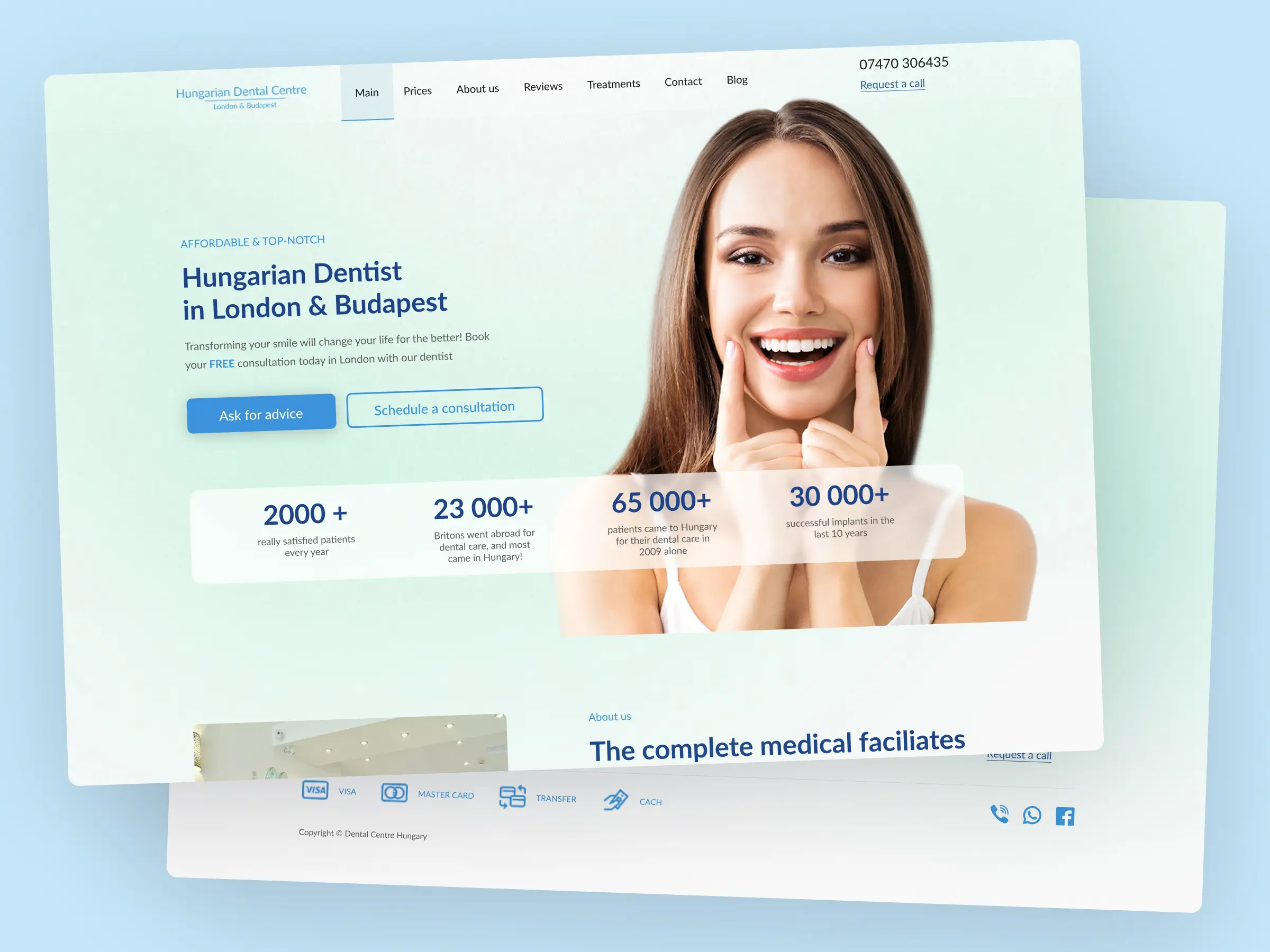
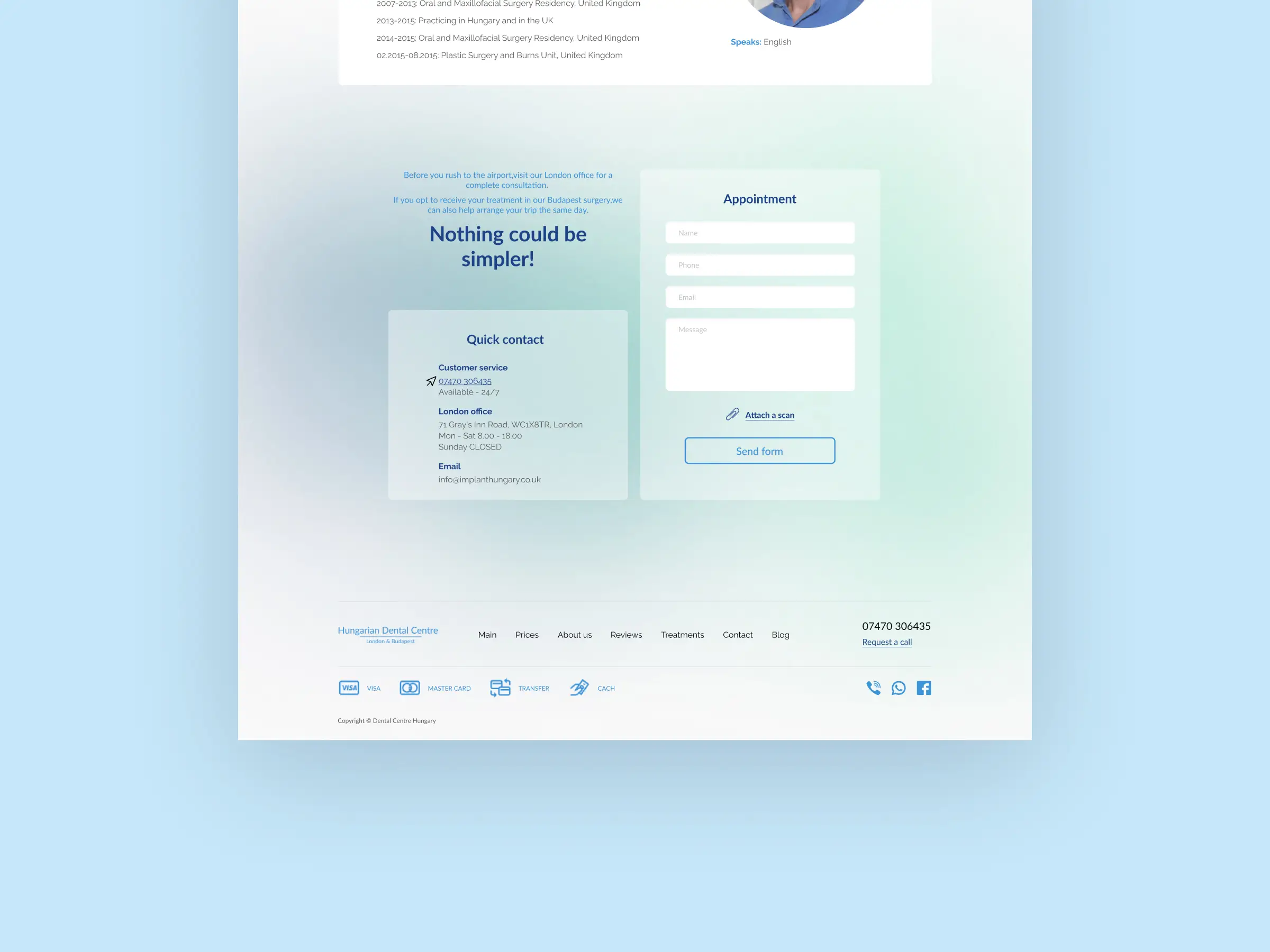
“We recently had our dental center's website redesigned by Alex's team, and we’re really pleased with the results. We've seen a noticeable increase in conversions since the redesign, which is fantastic. Can’t be happier!”


We Deliver Where Most Agencies Fail
We create websites that look good, prioritise sales & conversions, without compromising technical performance and scalability.
- Overpriced trendy design
- Missing sales funnel structure
- Poor Paid Ads performance
- No specialization or focus
- Not result-driven
- Average results at best
- Generic, template solutions
- Minimum customization
- Fatal SEO/CRO performance
- Effective, future-proof design
- Conversion-optimized layout
- Internal landing pages
- High-impact, persuasive messaging
- Built-in lead capture & CTAs
- Optimized for paid ads performance
- Fast load speeds for lower bounce rates
- SEO-optimized for local visibility
- Analytics & CRM integrations
Why Conversion Optimization Works
Join a rigorous three-stage process—from fundamental audit to competitive analysis and rapid A/B testing—to instantly turn existing traffic into predictable revenue
Comprehensive Conversion Audit
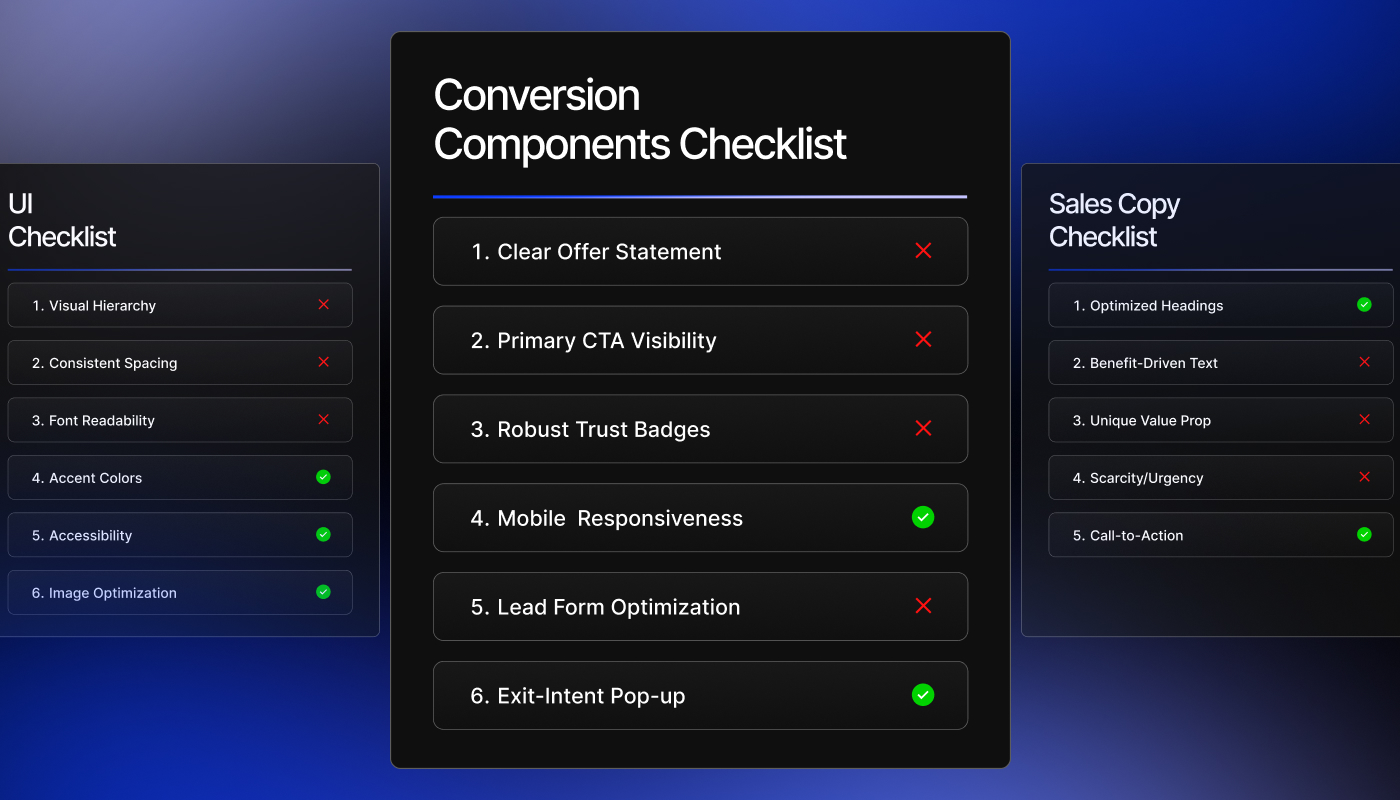
We start by fixing fundamental, high-impact design errors. This involves checking for critical missing components, such as a weak Hero section, lacking contact information, missing social proof (testimonials), or weak calls-to-action—eliminating the most common conversion blockers immediately and ensuring your page meets all selling standards.
Recovering Market Success Formulas
We analyze top competitors and leaders who pay to rank high (Paid Ads). By studying dozens of high-performing pages, we identify proven section ideas (e.g., cost calculators, short quizzes) to craft the ideal, niche-specific sales funnel for your product that is already succeeding in the market.
Rapid A/B Testing
We move beyond guesswork by using fast, focused A/B testing. We prioritize testing key elements like headlines, offers, and CTAs in strategic batches. This process quickly validates winning variations, allowing us to implement data-backed uplifts without delay and ensure statistical significance.
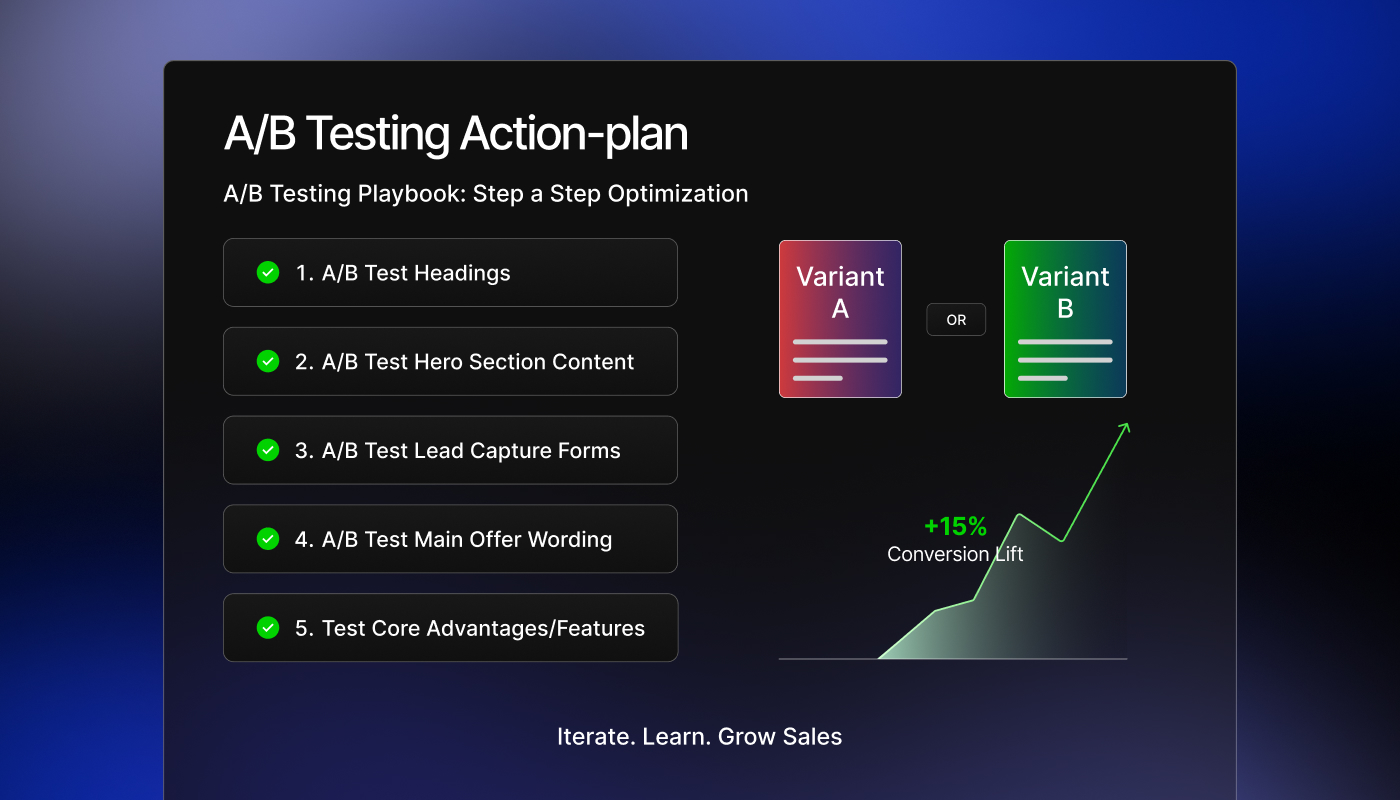
We Focus on Results That Make Your Website Exponentially More Profitable.
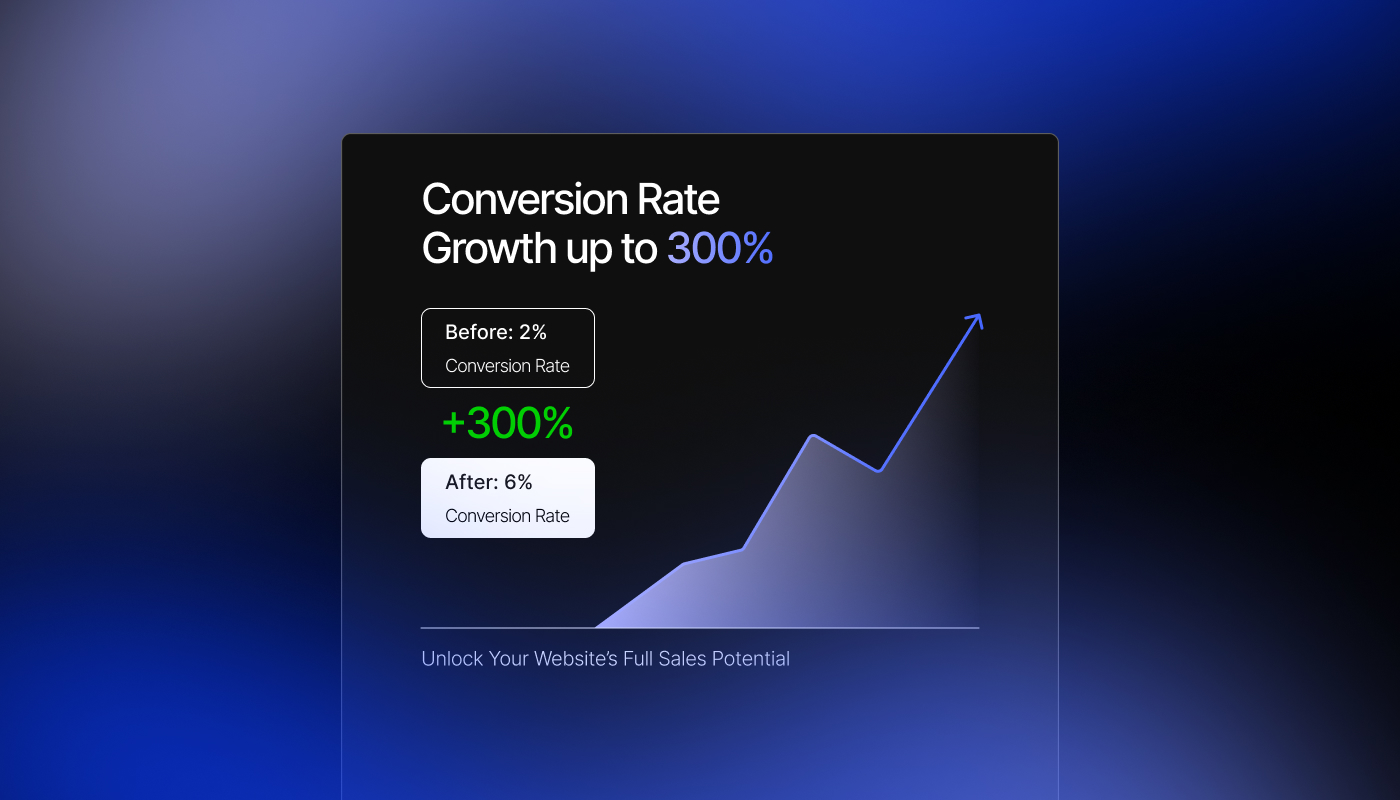
Conversion Rate Growth up to 300%
We focus on maximizing the visitor-to-customer ratio. Our strategic testing frequently drives conversion rate improvements ranging from 100% up to 300% on key sales pages.
Get a Free Quote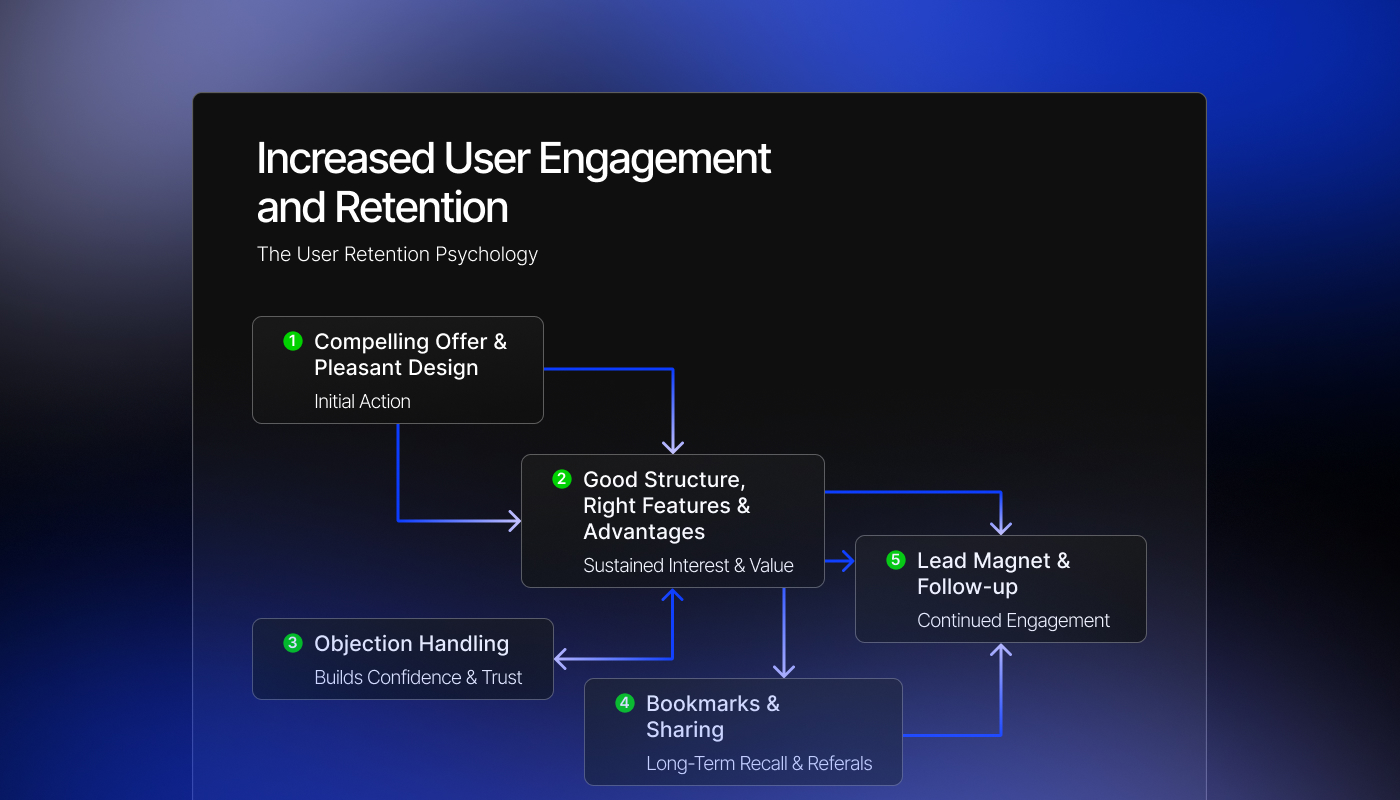
Less Users Leaving Your Website
By eliminating friction, improving initial site speed, and ensuring immediate clarity in the Hero section, we significantly reduce initial user drop-offs, making sure more visitors engage with your content.
Get a Free Quote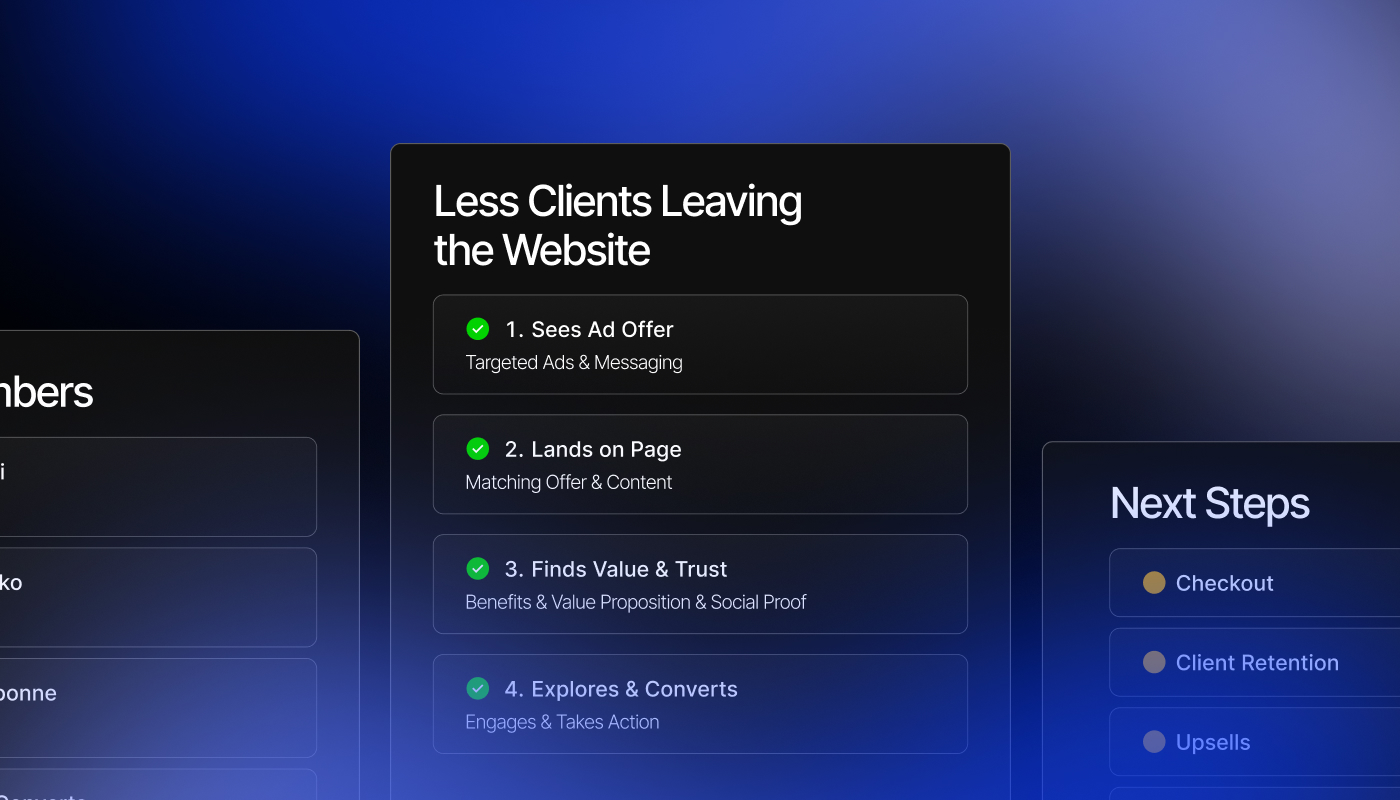
Increased User Engagement & Retention
We optimize the entire site structure and content flow to keep visitors interested. This results in higher pages views per session and a sustained increase in overall user retention.
Get a Free Quote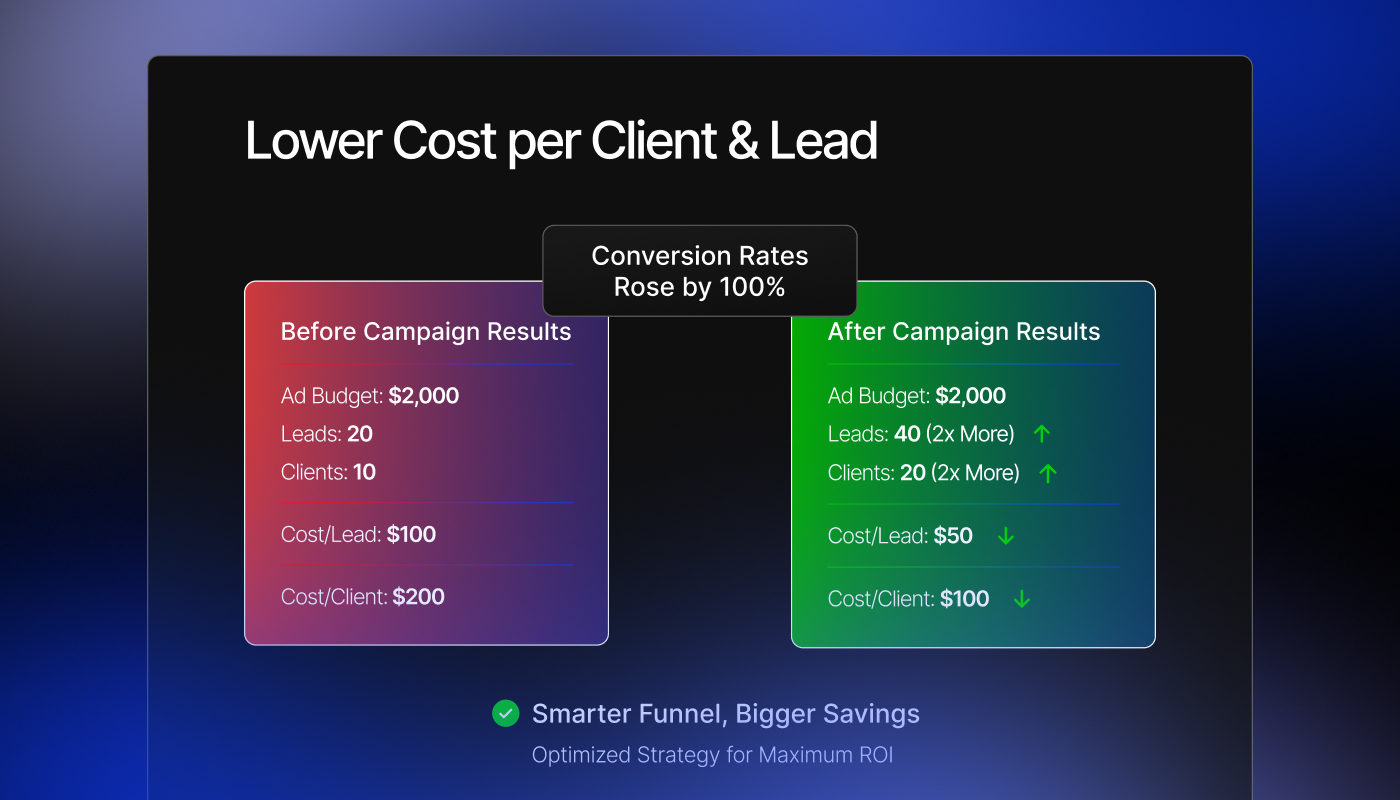
Lower Cost Per Client (CPC) and Per Lead (CPL)
When conversion rates rise, the effective cost of traffic drops. This directly translates into a significant reduction in your Cost Per Lead (CPL) and Cost Per Client (CPC) from all acquisition channels (Paid Ads, SEO, etc.).
Get a Free Quote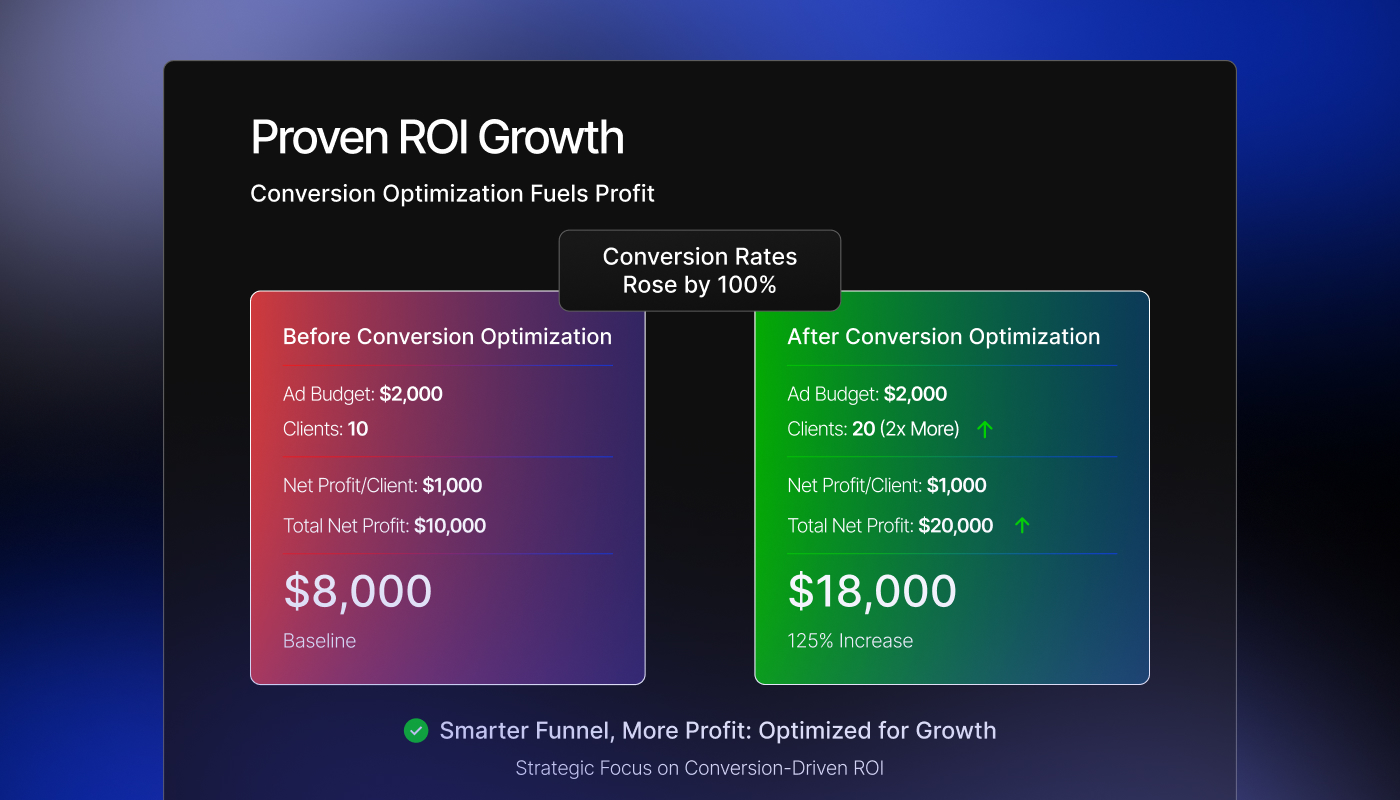
Proven ROI Growth (25% to 50%+)
By minimizing costs and maximizing conversions, our CRO programs deliver a substantial return on investment, often achieving a 25% to 50% or higher ROI on your optimization budget within the first few testing cycles.
Get a Free QuoteGet Everything You Might Need
Backed by Clear Deliverables, Effective Tools & Support on Way Of Business Succes
Finalized, High-Converting Landing Pages
You receive the final, validated versions of your optimized pages. These are assets with proven, winning content, structure, and design elements, ready to be deployed as your main sales funnels.
Verified Tracking & Analytics Integration
We ensure all critical tracking infrastructure (Google Analytics 4, Meta/Facebook Pixels, etc.) is perfectly set up and integrated, giving you 100% accurate data to track lead quality, CPL, and the true performance of your paid traffic.
1 Month Free Post-Launch Consulting
After the project ends, you receive one month of complimentary weekly 1-on-1 consulting calls. This ensures a smooth transition and provides direct access to our CRO experts for interpreting results and planning next steps.
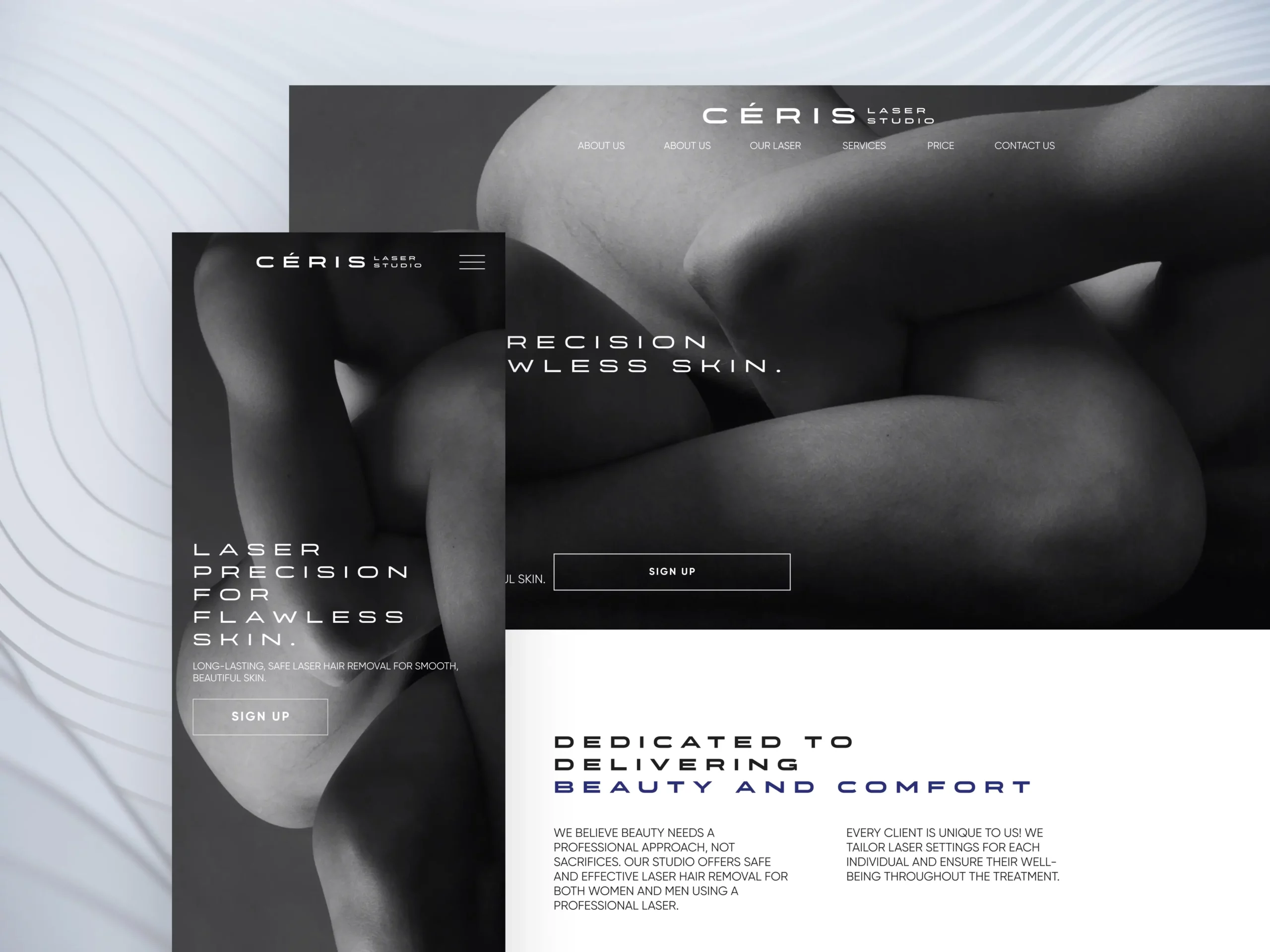
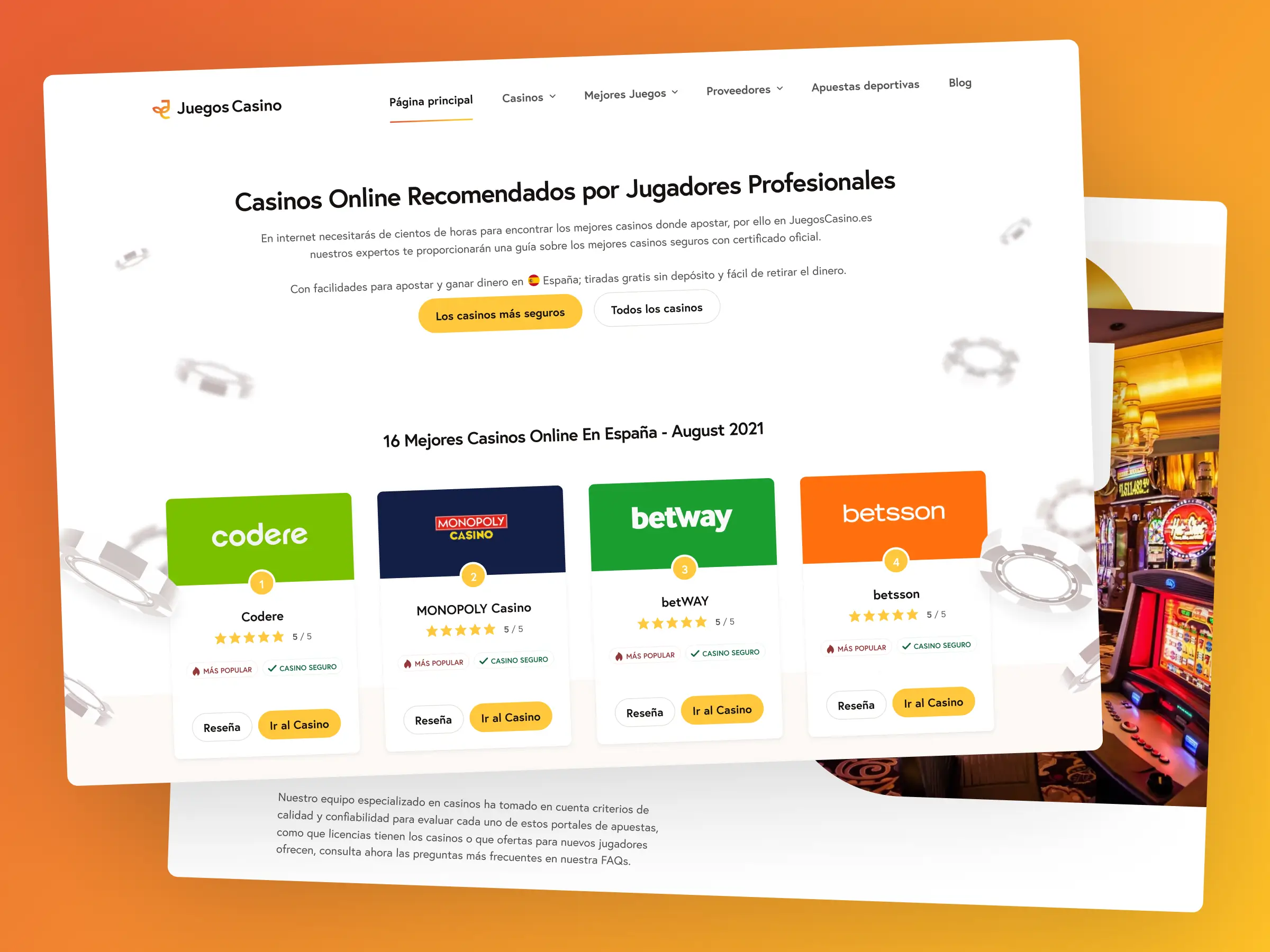
Our Recent Projects
From UI/UX projects to large-scale corporate websites we delivered steaty results.

Get a project quote calculated for your property!
Receive a comprehensive, personalized project quote for your estate, with every detail accounted for, ensuring complete transparency in costs so you can plan with confidence.
Book a Strategy Call !For Those Who Want to Know More
- How We Analyze Traffic Data: The Foundation of Conversion Success
- How We Determine If You Need a Website Redesign or Conversion Rate Optimization
- How We Leverage Psychological Triggers to Drive Action
Before any testing begins, the foundation of every successful Conversion Rate Optimization (CRO) campaign is a deep, unbiased analysis of existing traffic and user behavior. Our process is designed to move beyond vanity metrics, focusing first on technical and structural integrity before attempting to optimize copy or design. If your website is technically broken or fails to meet the user’s basic expectations (high Bounce Rate), no amount of persuasive copy will save it. We follow a meticulous, four-stage diagnostic process to precisely locate where revenue is being lost.
This systematic approach ensures we prioritize high-impact fixes, delivering the maximum measurable uplift for your investment.
1.0 Diagnostic Priority Check: Identifying the Core Issue
The first step is a critical diagnostic to determine the fundamental problem. We establish the quantity and quality of traffic flowing into the pages and then immediately address a critical question: Is the problem with the user’s **arrival (Bounce Rate)** or their **decision-making (Conversion Rate)**?
1.1 Assessing Traffic Volume and Quality
We analyze historical data to understand traffic sources (e.g., Paid Ads, Organic Search, Referral). High-quality traffic from targeted ads is expected to convert better than untargeted organic volume. Crucially, we determine if the existing traffic volume is sufficient to sustain reliable A/B testing; low volume can lead to statistically insignificant results, wasting time and budget.
1.2 Bounce Rate vs. Conversion Rate Diagnosis
This distinction is vital for sequencing the project. A **high Bounce Rate (BR)**—users leaving the page immediately—almost always signals a technical issue, a slow load speed, or a severe mismatch between the ad/link promise and the page content (poor offer fit). If the BR is excessively high, we immediately flag the page as structurally flawed. Conversely, a low BR paired with a low **Conversion Rate (CR)** suggests the page is loading fine, but the copy, layout, or offer is failing to persuade the engaged user.
1.3 Setting Acceptable BR Benchmarks
We establish industry-specific benchmarks for an acceptable BR. Until the page meets this basic standard—proving users are actually consuming the content—we will not proceed with expensive A/B testing on copy or design elements. We focus resources on fixing the technical foundation first, ensuring the user stays long enough to be sold.
2.0 Real-Time User Experience Audit (The Human Check)
Technical scores often hide functional flaws. This stage mimics a first-time user’s journey across various devices to manually expose UI/UX errors that cause high Bounce Rates.
2.1 Manual Click-Through Testing and Verification
We perform a full functional audit, clicking every link, button, and navigation item. Broken links, malfunctioning CTAs, or unexpected page redirects are conversion killers. We ensure core functionality—especially on forms and checkout buttons—is flawless.
2.2 Scroll and Visual Inspection on Random Devices
The majority of user traffic is mobile. We check the page on random laptop and smartphone models to detect critical rendering issues: layout shifts that confuse the user, elements overlapping, or text being cut off. We specifically look for broken lazy loading, where essential images or content fail to render correctly as the user scrolls, immediately eroding trust and causing frustration.
2.3 Verifying Offer Integrity
A crucial check is ensuring the promise made in the ad headline is immediately and perfectly reflected in the page’s Hero section. We verify that all core elements—high-resolution images, video placeholders, critical benefit text, and the primary CTA—are visible and functional across all target devices.
3.0 Technical Auditing and Performance Scores
Once the manual audit confirms functional integrity, we proceed to measure the technical impact on user experience and marketing costs.
3.1 Page Speed and Core Web Vitals Analysis
Poor speed directly correlates with high Bounce Rates and higher Paid Ad costs. We analyze tools like Google PageSpeed Insights, focusing on key metrics like Largest Contentful Paint (LCP) and Cumulative Layout Shift (CLS). Fixing poor Core Web Vitals is often the fastest way to achieve a significant conversion uplift and improve organic ranking signals.
3.2 Ensuring Flawless Tracking Setup and Analytics Integrity
We verify that all tracking codes (Google Analytics 4, Meta Pixel, GTM) are correctly installed and firing accurately. Faulty tracking leads to skewed data, causing misguided tests. We ensure that critical micro-conversions (e.g., button clicks, form starts) are properly tracked to provide deeper insights into funnel behavior.
3.3 Cross-Browser and Mobile Compatibility Review
We systematically check performance across major browsers (Chrome, Safari, Firefox) and operating systems. A great design on Chrome is useless if it breaks entirely on Safari mobile, leading to lost revenue from a significant user segment.
4.0 Analyzing Funnel Drop-Off Points
The final stage of the audit is isolating high-friction areas where users have already committed to converting but abandon the process just before completion.
4.1 Identifying Post-CTA Friction
We pinpoint the immediate step after a user clicks a primary Call-to-Action (e.g., clicking “Book Now” or “Get a Quote”). This transition—often to a scheduling tool or a multi-step form—is a high-abandonment zone. We analyze the drop-off rate between the page CTA and the completion of the next step.
4.2 Form and Widget Complexity Audit
The contact form or booking widget itself is often the final bottleneck. We review the number of required fields, analyze the perceived time commitment, and identify questions that cause user anxiety. Simplifying forms and requesting only essential information is a common high-impact fix.
4.3 Cross-Platform Experience at Critical Points
We ensure that these critical form and widget experiences are flawless on all devices. A common flaw is a booking calendar that is perfectly functional on desktop but impossible to navigate on a mobile screen, leading to unnecessary user loss.
4.4 Qualitative Data Collection on Friction Points
We overlay heatmaps and session recordings specifically on these high-drop-off elements (forms, widgets) to visually confirm where users hesitate, rage-click, or encounter errors. This qualitative data directly informs the specific hypotheses for the next testing phase.
4.5 Calculating the Baseline Conversion Rate and Conversion Value
With all technical and data integrity issues resolved, we establish the true baseline CR and the monetary value of each lead. This is the foundation against which all future optimization tests will be measured to demonstrate precise, measurable ROI.
1.0 Symptoms Signaling a CRO Need (Surgical Optimization is Best)
CRO is the ideal investment when the site’s fundamental structure is sound, but it suffers from Conversion Debt—meaning users arrive but fail to convert due to poor messaging or small friction points.
1.1 The Site Looks Fine, but Conversions are Low (Conversion Debt)
If your website appears modern and performs well technically, yet sales are stagnant, the problem lies in the sales architecture and persuasion, which is perfectly suited for fast, focused A/B testing.
1.2 High-Traffic Pages Underperforming Specific Goals
We target high-volume landing pages or product pages that are receiving sufficient traffic but have a low visitor-to-lead ratio. Optimization in these areas provides immediate, measurable ROI.
1.3 Need to Rapidly Test a New Offer or Price Point
CRO allows you to test critical business decisions—like a new pricing model, value proposition, or guarantee—against a control group in real-time, validating success without a risky, full-scale launch.
2.0 Symptoms Signaling a Redesign Need (Fundamental Rebuild is Required)
A redesign is necessary when the core foundation of the site actively blocks conversions, making optimization financially impractical or technically impossible.
2.1 Unfixable Technical and Code Limitations (Severe Technical Debt)
When the underlying code is legacy, built with excessive plugins (e.g., heavily bloated Elementor or Visual Composer themes), or fundamentally prevents us from meeting modern Core Web Vitals standards, a full rebuild is the only long-term solution to avoid constant, expensive technical patches and maintenance.
2.2 Complete Brand/Product Pivot or Core Value Proposition Failure
If your business model, target audience, or primary product has dramatically changed, the existing site architecture and messaging are irrelevant, requiring a complete structural and design overhaul.
2.3 Severe Limitations from the Current CRM and Automation Platforms
If the current Content Management System (CMS) or platform restricts necessary integrations, such as an outdated CRM, marketing automation tools, or required lead-management systems, the cost of switching platforms is often less than the ongoing revenue loss and manual labor.
2.4 High-Value SEO Asset is at Risk (Redesign Caution)
If your site already holds exceptionally high organic search rankings across many pages, a full, unnecessary rebuild can risk those hard-won SEO gains. In this scenario, we pivot to strictly focused CRO on specific low-converting pages, preserving the high-value SEO asset and avoiding significant traffic drop-off.
3.0 The Strategic Investment Framework
Our goal is to ensure you make the most profitable investment decision by framing the redesign vs. optimization choice around clear, predictable ROI and long-term financial stability.
3.1 Calculating the Total Cost of Ownership (TCO)
We analyze the financial feasibility by comparing the short-term cost of optimization against the Total Cost of Ownership (TCO) of maintaining the current site for the next 2-3 years. Fixing constant bugs and security flaws can quickly eclipse the one-time investment in a clean, modern build.
3.2 Phased Approach: CRO as the Data Validator for a Future Redesign
If a redesign is inevitable, we often recommend strategic CRO first. This allows us to gather data on what copy, features, and layout elements actually convert, ensuring the *new* website is built on validated, revenue-generating blueprints, not guesswork.
3.3 Prioritizing Technical Fixes vs. Persuasion Fixes
The decision always starts with the technical assessment (as detailed in Tab 1). We ensure that technical flaws (high Bounce Rate) are addressed immediately, as fixing broken functionality must always precede optimizing persuasion (Conversion Rate).
The best converting websites don’t just look good or load fast; they are fundamentally designed to align with how the human brain makes decisions. Our CRO work moves beyond simply guessing which color converts better. We utilize proven principles of behavioral science and psychology to systematically reduce user friction and enhance motivation, transforming passive visitors into active customers.
This tab details the key psychological frameworks and triggers we integrate into our testing process to generate reliable, repeatable uplifts in conversion.
1.0 Understanding the Motivational Foundation
Every conversion failure can often be traced back to an imbalance between a user’s motivation to act and the ability (or ease) of that action. We diagnose this imbalance using foundational models of human behavior.
1.1 The Fogg Behavior Model: Motivation, Ability, and Prompts
We approach every page through the lens of Dr. B.J. Fogg’s model, which posits that a behavior (conversion) occurs when three elements converge: **Motivation** (the desire to act), **Ability** (the ease of doing the action), and a **Prompt** (the trigger to do it now). If motivation is low, the ability must be extremely high (the action must be incredibly easy). We focus our optimization efforts on enhancing all three:
- **Motivation:** Strengthening the emotional appeal and clarity of the offer.
- **Ability:** Simplifying the user journey, reducing steps, and minimizing cognitive load.
- **Prompt:** Ensuring the Call-to-Action (CTA) is visible, timely, and relevant to the user’s current state.
1.2 Cognitive Load and Decision Fatigue
The human brain naturally avoids unnecessary effort. **Cognitive Load** refers to the mental effort required to process information. We optimize pages to minimize this load by using clear visual hierarchy, chunking information, and avoiding excessive choices. **Decision Fatigue** occurs when users are presented with too many options (e.g., five different pricing tiers or overwhelming navigation links), leading them to abandon the page rather than make a difficult choice. Our goal is to make the next step simple, obvious, and effortless.
2.0 Core Principles of Persuasion and Trust
Trust is the currency of conversion. Without instant credibility, no amount of urgency or powerful copy will work. We integrate Cialdini’s principles to build trust and persuade visitors effectively.
2.1 Social Proof (Optimizing Testimonials, Reviews, and Logos)
People look to others for validation, especially when unsure. Our optimization focuses on enhancing social proof elements to make them specific, relevant, and credible. This means moving beyond generic “Great Service!” claims to use detailed testimonials that address key buyer objections, placing client logos strategically, and optimizing integration with third-party review platforms.
2.2 Authority and Credibility Signals
We leverage authority signals to instantly establish expertise. This includes optimizing “As Seen On” media badges, prominently displaying industry certifications, highlighting awards, and showcasing the expertise of key team members. Authority signals reduce perceived risk and increase the visitor’s willingness to commit to a purchase or inquiry.
2.3 Commitment and Consistency (The Power of Micro-Commitments)
Once a person takes a small action in alignment with a goal, they are psychologically more likely to follow through with a larger action. We test “micro-commitments” early in the funnel, such as asking for an email address for a free guide before asking for a full quote. These small, low-risk steps build momentum and internal commitment, leading to higher completion rates on the final, high-friction forms.
3.0 Translating Psychology into Copy and Offers
The words you choose and the way you structure your offer directly impact the emotional response and perceived value. We ensure the language and offer structure align perfectly with proven psychological motivators.
3.1 Leveraging Scarcity and Urgency
Scarcity (limited quantity) and Urgency (limited time) motivate users to act *now*, combating procrastination. We test various forms of genuine scarcity (e.g., “Only 3 spots left this month”) and urgency (e.g., “Offer ends midnight tonight”). The key is authenticity; fabricated scarcity can damage credibility. We strategically apply these triggers to CTAs and pricing modules to maximize immediate conversions.
3.2 The Framing Effect (Anchoring and Highlighting Loss Aversion)
The way an offer is “framed” dramatically changes its appeal. We use **Anchoring** by introducing a higher-priced premium option first, making the middle or standard option appear more reasonable and valuable by comparison. We also leverage **Loss Aversion**, emphasizing what the customer stands to *lose* by *not* purchasing (e.g., lost productivity, continued hassle) rather than only focusing on the benefits they gain.
3.3 Designing Frictionless Forms and Checkouts (Minimizing Anxiety)
The checkout or contact form is where anxiety peaks. To minimize this, we optimize for trust and ease:
- **Inline Validation:** Providing real-time feedback when a user enters information correctly or incorrectly to prevent frustration.
- **Trust Seals:** Integrating security badges (e.g., SSL, Payment Processors) near sensitive data fields.
- **Eliminating Redundant Fields:** Never asking for information you don’t need immediately (e.g., asking for a phone number only if absolutely necessary for the next step).
By systematically applying these psychological principles and validating them through rigorous A/B testing, we transform conversion from a hopeful gamble into a reliable science, driving consistent, predictable growth for your business.
Frequently Asked Questions
We work sequentially, starting with the highest-impact area: the Above-the-Fold section. We optimize the title, value proposition, CTAs, and contact forms within 2–4 days. For pages with high ad traffic, results from this initial test can be visible within 1–2 weeks. Full-page optimization and testing typically take 2–3 weeks.
While large clients require high volume for rapid statistical significance, smaller clients can start measuring performance changes and gaining valuable insights with at least 1,000 monthly unique visitors. This allows us to check for noticeable changes in conversion rates and form submit percentages.
It increases efficiency dramatically. For example, if you spend $1,000 and initially close 2 clients (CPC: $500), optimization might yield 3x the leads, resulting in 6 clients for the same budget. Your new CPC is then $166 ($1,000 / 6 clients), making your ad spend exponentially more profitable.
UI/UX design focuses on the initial build and best practices. CRO is the scientific, iterative process of testing that design post-launch to continually refine performance based on live user data and achieve new conversion peaks.
No. A/B testing is inherently risk-free because changes are only applied to a segment of traffic. Only those variations that are proven by data to be statistical winners are rolled out to 100% of your audience.
We are proficient across all leading platforms, including VWO, Optimizely, Hotjar (heatmaps/recordings), and utilize advanced GA4 segmentation and tracking for data integrity.
Get a project quote calculated for your property!
Receive a comprehensive, personalized project quote for your estate, with every detail accounted for, ensuring complete transparency in costs so you can plan with confidence.
Book a Strategy Call !
Get a project quote calculated for your property!
Receive a comprehensive, personalized project quote for your estate, with every detail accounted for, ensuring complete transparency in costs so you can plan with confidence.
Book a Strategy Call !
Get a project quote calculated for your property!
Receive a comprehensive, personalized project quote for your estate, with every detail accounted for, ensuring complete transparency in costs so you can plan with confidence.
Book a Strategy Call !
Get a project quote calculated for your property!
Receive a comprehensive, personalized project quote for your estate, with every detail accounted for, ensuring complete transparency in costs so you can plan with confidence.
Book a Strategy Call !
Get a project quote calculated for your property!
Receive a comprehensive, personalized project quote for your estate, with every detail accounted for, ensuring complete transparency in costs so you can plan with confidence.
Book a Strategy Call !
Get a project quote calculated for your property!
Receive a comprehensive, personalized project quote for your estate, with every detail accounted for, ensuring complete transparency in costs so you can plan with confidence.
Book a Strategy Call !